Written log
Before and after temperatures with set points
Refrigerator Temperature Control Calibration Decatur GA is the fastest way to stop spoiled food, high power bills, and guessing games. If your fridge reads 40F but the milk sours in two days, the thermostat, thermistor, or control board has drifted out of spec. We test, adjust, and verify your refrigerator against a calibrated reference so every shelf holds the right temperature. Same-day visits across DeKalb County.
Every calibration visit covers a full temperature audit, control diagnosis, adjustment, and verification. Parts like thermostats or thermistors are quoted separately if needed. Here is what you get on a standard visit.


We calibrate refrigerators in houses, condos, and apartments across Decatur. Every visit includes a full temperature audit and a written log you keep.
We calibrate reach-ins, walk-ins, and display cases for Decatur restaurants and shops. Each unit gets documented set points for inspection records.
Refrigerator Temperature Control Calibration Decatur GA is a diagnostic and adjustment service that measures your fridge's actual internal temperatures against its set points, then corrects the thermostat, thermistor, or control board so the appliance holds the range it was built for. We place calibrated probes in the fresh food compartment and freezer, log readings over a full cooling cycle, and compare them to the manufacturer's spec. A fridge set to 37F that actually runs at 44F is a food-safety problem, not a preference.
Decatur homes deal with this more than you'd think. Summer humidity pushes compressors harder, older Kirkwood and Oakhurst bungalows often have fridges crammed into tight cabinets with poor airflow, and power dips around DeKalb County can scramble a control board's memory. When a customer calls about a refrigerator temperature not accurate Decatur GA, we usually find a thermostat that has drifted 5F to 9F off spec. That drift is invisible until the yogurt separates.
We measure what your fridge actually does, then set it to hold the right temperature.
Five steps, one visit in most cases. Here is exactly what happens from the phone call to the final temperature log.
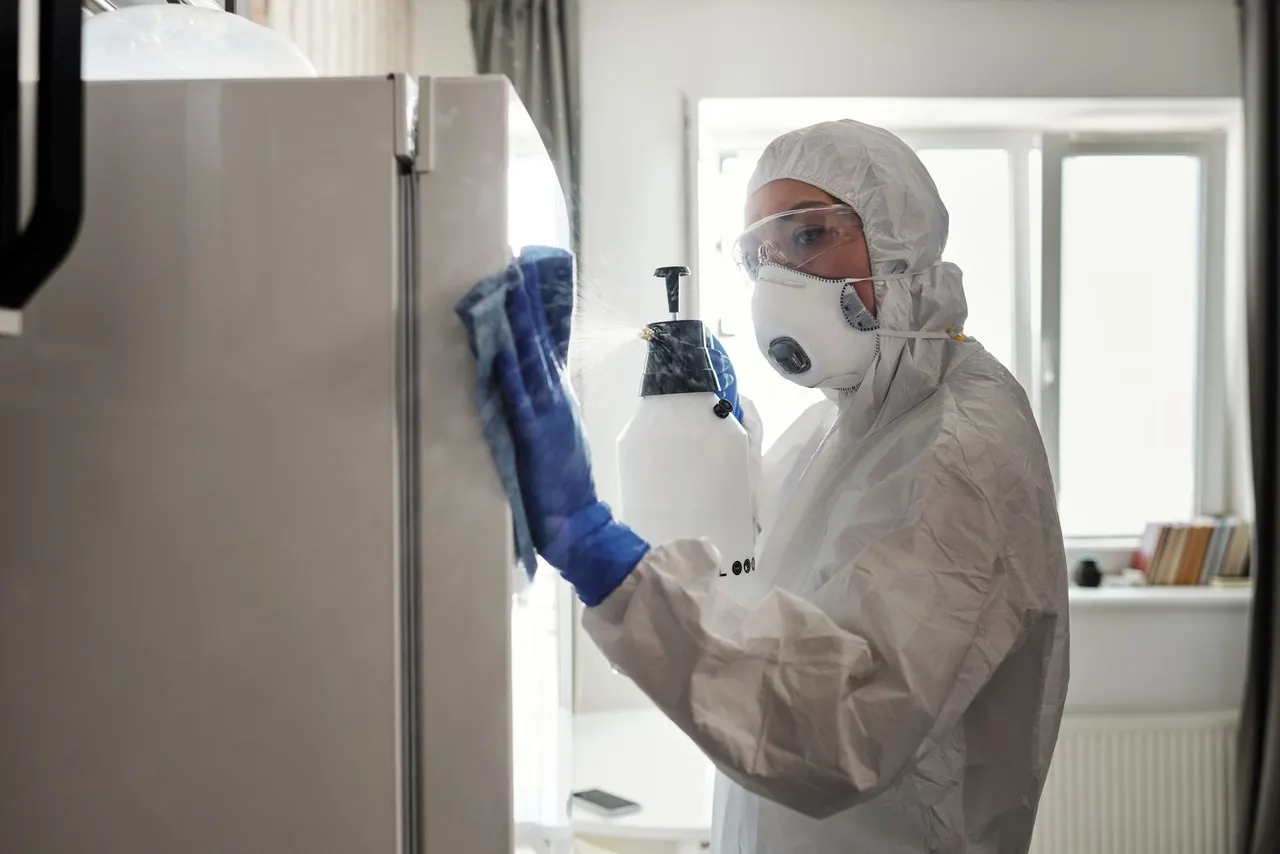
We ask what your fridge is set to, what it actually reads, and how long food has been spoiling. That tells us whether you need calibration, a thermostat repair, or a compressor check. Most calls get scheduled same-day or next morning across Decatur.
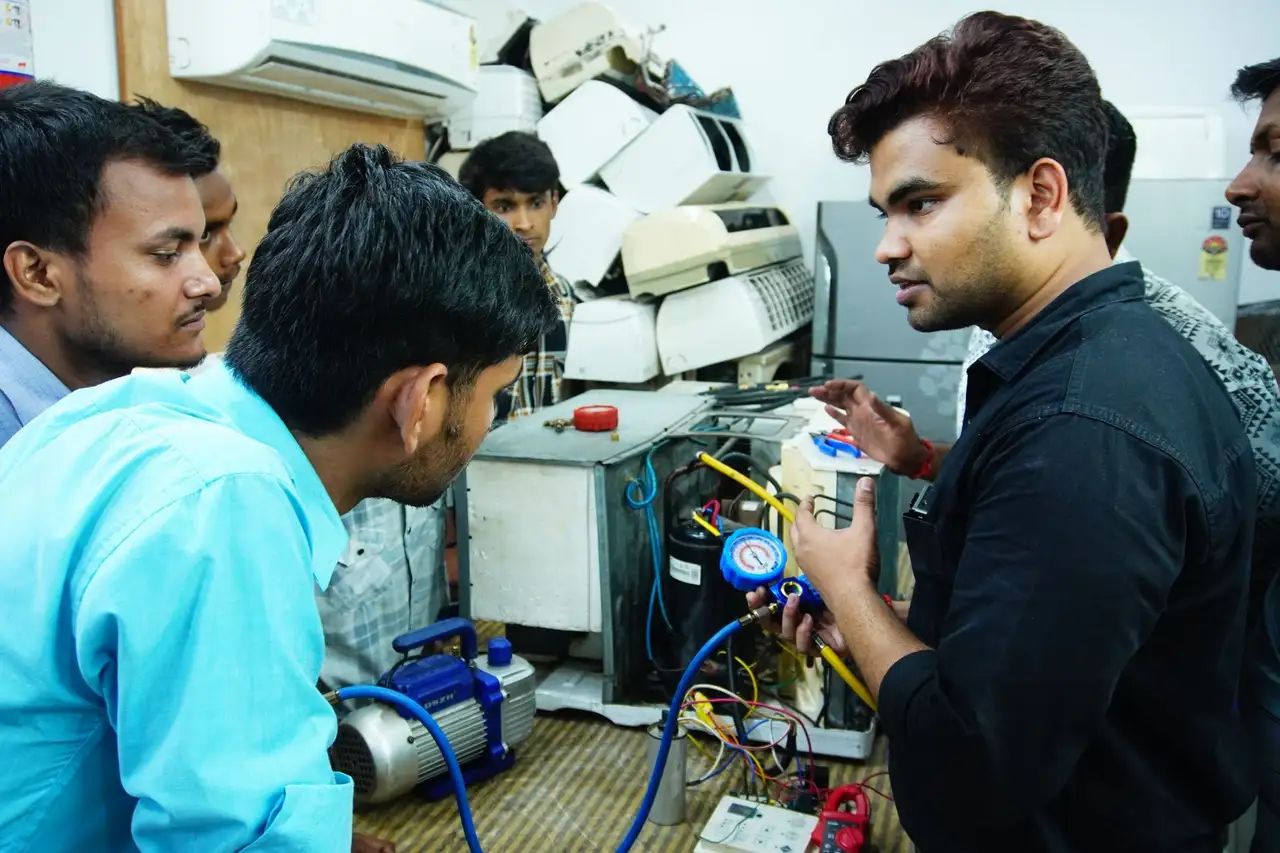
Our technician places calibrated thermocouples on the top shelf, bottom shelf, and freezer, then lets the fridge run a full cycle. We record high and low readings, door-open recovery time, and compressor run duration. This takes 30 to 45 minutes and gives us real data, not a guess.
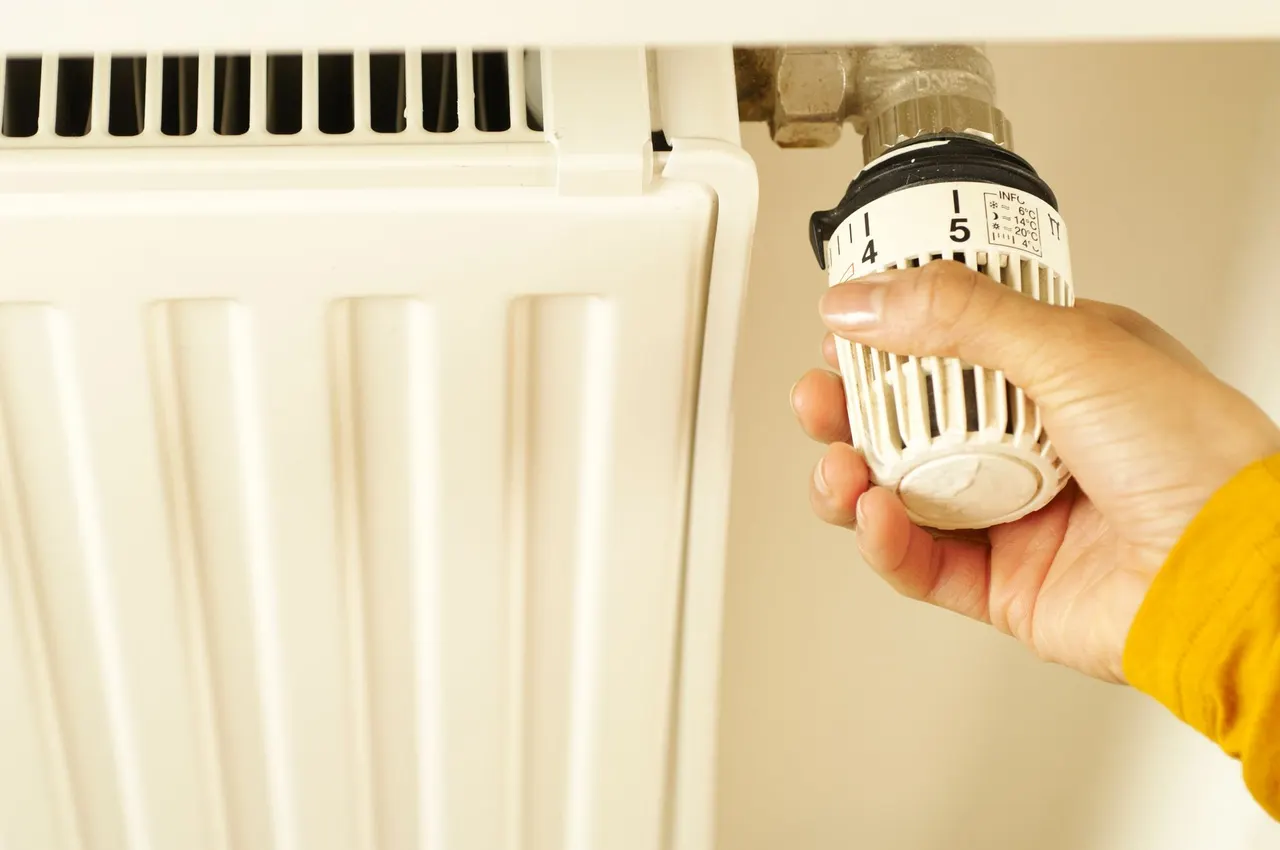
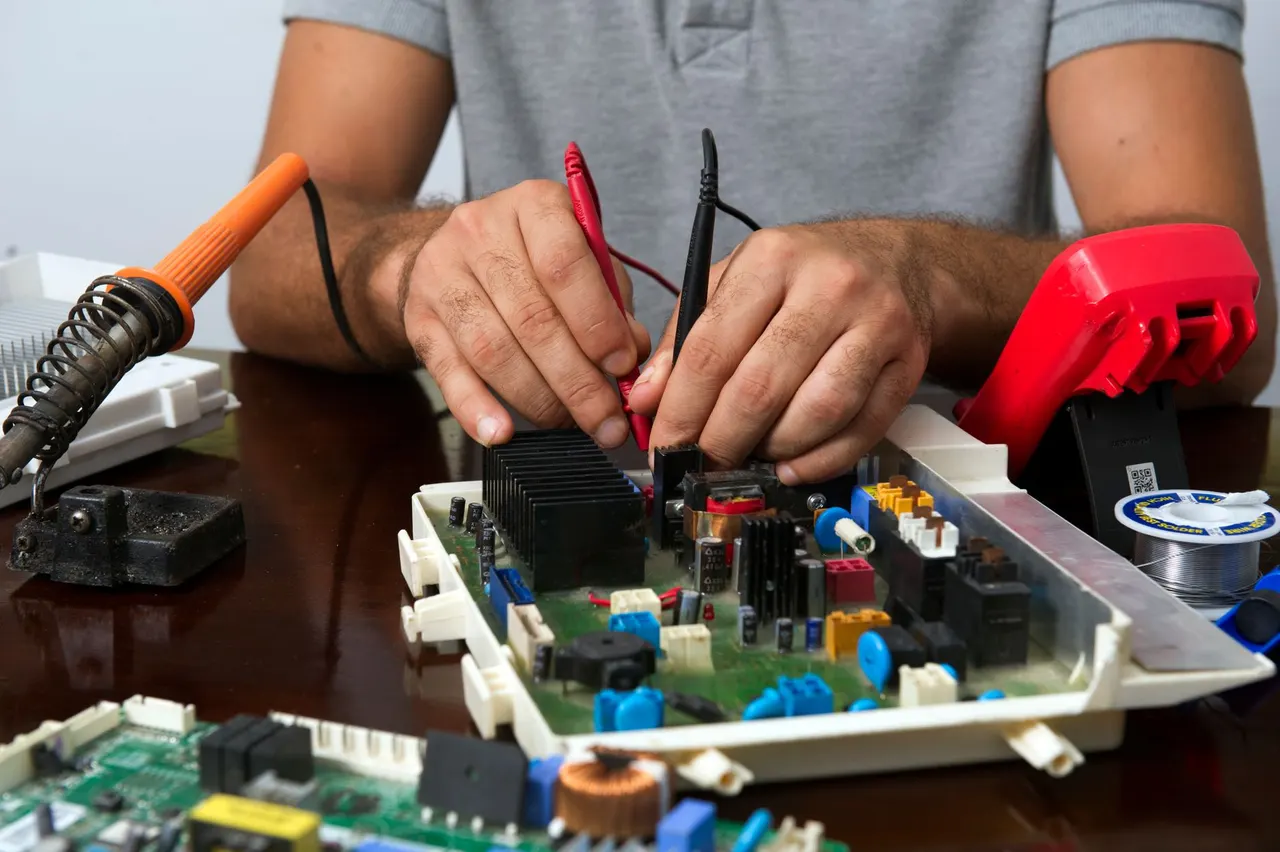
We test the thermostat, thermistor, and control board with a multimeter against the manufacturer's resistance spec. A thermistor reading 2 kilohms off at 37F is enough to shift your whole fridge. We also inspect the door gasket for leaks that fake a temperature problem.
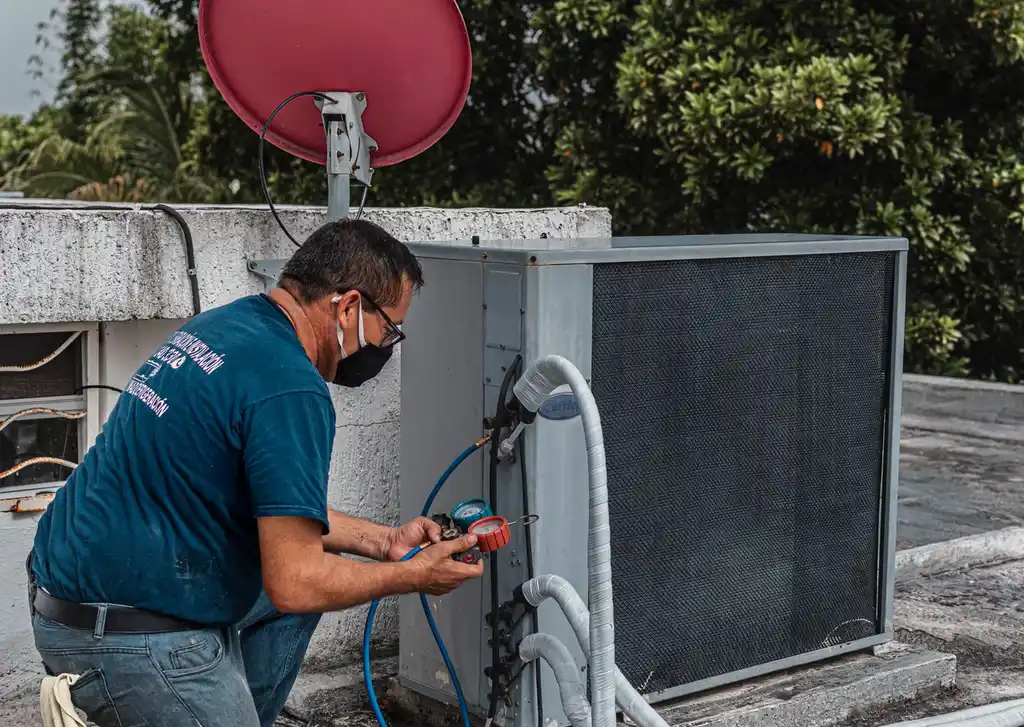
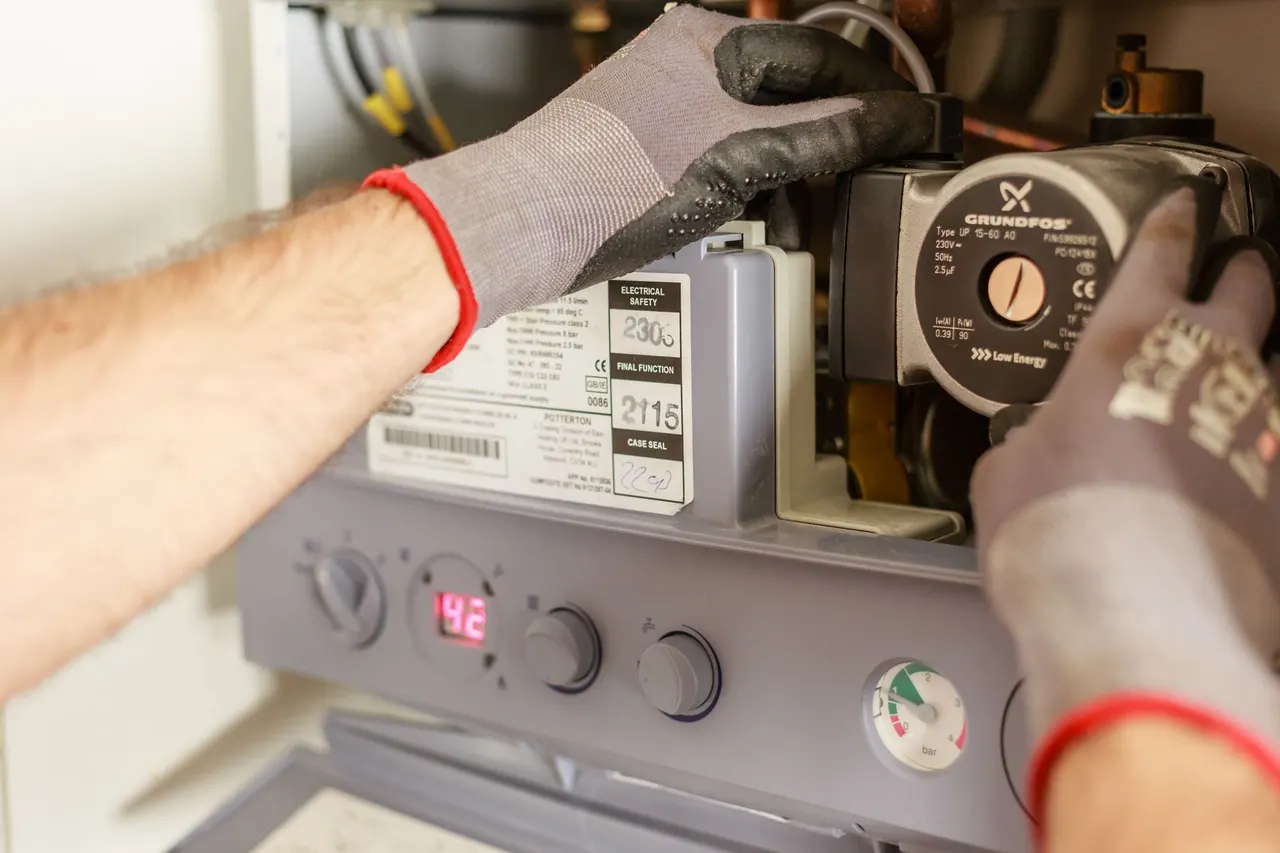
Depending on what we find, we recalibrate the control board, replace a drifted thermostat, or reseat a faulty thermistor. Set points get adjusted to the manufacturer's range, usually 37F fresh food and 0F freezer. The whole adjustment takes 20 to 40 minutes.
We run the fridge another full cycle and log the results. You get the before and after numbers in writing, plus the set points we used. If temperatures still swing more than 2F, we keep digging the same visit rather than billing you for a return trip.

Placed on multiple shelves and in the freezer to log actual compartment temperatures across a full cooling cycle. Accurate to within 0.5F, which is tight enough to catch small calibration drift.

Tests thermostat and thermistor resistance against manufacturer specs, and checks control board voltage outputs. A thermistor reading 2 kilohms off at 37F is enough to shift the whole fridge.

Finds slow refrigerant leaks that make a fridge run warm no matter what the thermostat says. Catching a leak before calibration saves you from adjusting a control on a system that cannot hold temperature.

Reads high-side and low-side refrigerant pressures to confirm the sealed system is healthy. If pressures are off, calibration is pointless until the refrigerant issue is fixed.
Pulls a deep vacuum after any sealed-system repair, removing moisture and air before recharging with refrigerant R-134a or R-600a. Skipping this step leads to repeat failures.
Straightens bent condenser fins and clears dust and lint from the coils. Clean coils let the fridge reject heat efficiently, which keeps temperatures stable after calibration.
Recovers refrigerant safely before any sealed-system work, in line with EPA Section 608 rules. It keeps the job compliant and prevents venting refrigerant into your kitchen.

We never judge a fridge by a single reading. Thermocouples log temperatures through a complete compressor cycle, capturing the high and low points. That data shows whether the control is drifting or the whole system is struggling.
We run a full temperature audit, test the control components, and calibrate to manufacturer spec. If the unit is a Sub-Zero or KitchenAid built-in, we bring the platform-specific reference data. One visit gives you a baseline you can trust. You get a written log showing your fridge holds 37F fresh food and 0F freezer, plus a list of any parts nearing the end of their life.
That gap between display and reality is classic calibration drift. We measure actual compartment temperatures with calibrated probes, find the offset, and correct the thermostat or control board. We also check the door gasket for leaks. Food lasts its full shelf life again, and the display matches what is actually happening inside the fridge.
We test the compressor duty cycle, clean the condenser coils, and check the thermostat for drift. A control stuck 6F low can add 15% to 25% to your fridge's power draw. Calibration brings the cycle time back to spec. The compressor runs normal cycles again, the fridge stays at temperature, and your monthly energy use drops back toward where it should be.
We calibrate commercial refrigerator controls to health-code ranges and provide a written log with before and after readings. Our technicians carry EPA Section 608 Certification for any refrigerant work needed during the visit. You have documentation showing your units hold safe temperatures, which makes inspection day straightforward instead of stressful.
Decatur's housing stock shapes how we approach calibration. Older bungalows in Oakhurst, Winnona Park, and Decatur Heights often have refrigerators tucked into tight cabinet surrounds with minimal clearance, which traps heat and makes the compressor work harder. We check airflow around the unit before we trust any temperature reading. Summer humidity in DeKalb County pushes condensers to run longer, and power dips can scramble a control board's memory, so we test board outputs as part of every visit. Downtown Decatur condos and newer Druid Hills construction usually have better ventilation but tighter tolerances, especially on built-in Sub-Zero and Bosch units. If you need emergency Refrigerator Temperature Control Calibration Decatur GA service, call before noon and we can usually reach you the same day. We also cover 30030, 30031, and 30036 ZIP codes, plus Scottdale, Belvedere Park, and East Lake.
A family in Oakhurst had a Whirlpool side-by-side set to 37F, but a calibrated probe read 44F on the top shelf. Milk was spoiling in two days and the compressor ran almost continuously. The display showed no error code, so they assumed the fridge was fine.
We found the thermistor reading 2.4 kilohms off spec at 37F. After replacing it and recalibrating the control, the top shelf held 36F to 38F across a full cycle. The compressor cycle time dropped from 48 minutes to 22 minutes per hour.
We recommended a condenser coil cleaning every six months and a temperature check before summer. The family now keeps a fridge thermometer on the top shelf as an early warning.
A Downtown Decatur condo owner noticed the freezer holding 8F instead of 0F, and ice cream was soft. The built-in Sub-Zero was only four years old, so they expected it to be under warranty. The control display showed no fault.
Our technician tested the thermistor and control board, found the board output voltage drifting, and replaced the board. After calibration, the freezer held -1F to 1F and the fresh food side settled at 37F. The repair took one visit and about 90 minutes.
We set a reminder for a six-month temperature check and showed the owner how to read the control diagnostics menu. Built-in units benefit from annual airflow inspection behind the cabinet panel.
A Scottdale restaurant had a reach-in refrigerator swinging between 36F and 48F, which failed a morning health inspection check. The kitchen staff had been adjusting the dial daily trying to compensate. Nothing held for more than a few hours.
We diagnosed a failing thermostat and a dirty condenser coil. After replacing the thermostat, cleaning the coils, and calibrating to 38F, the unit held 37F to 39F through a full lunch rush. The follow-up inspection logged the temperatures as compliant.
We set up a monthly coil cleaning schedule and a written temperature log the staff fills out twice daily. That documentation makes every future inspection straightforward.
Most fridge temperature complaints trace back to one of a handful of causes. Here are the ones we see most in Decatur kitchens and how we handle each.
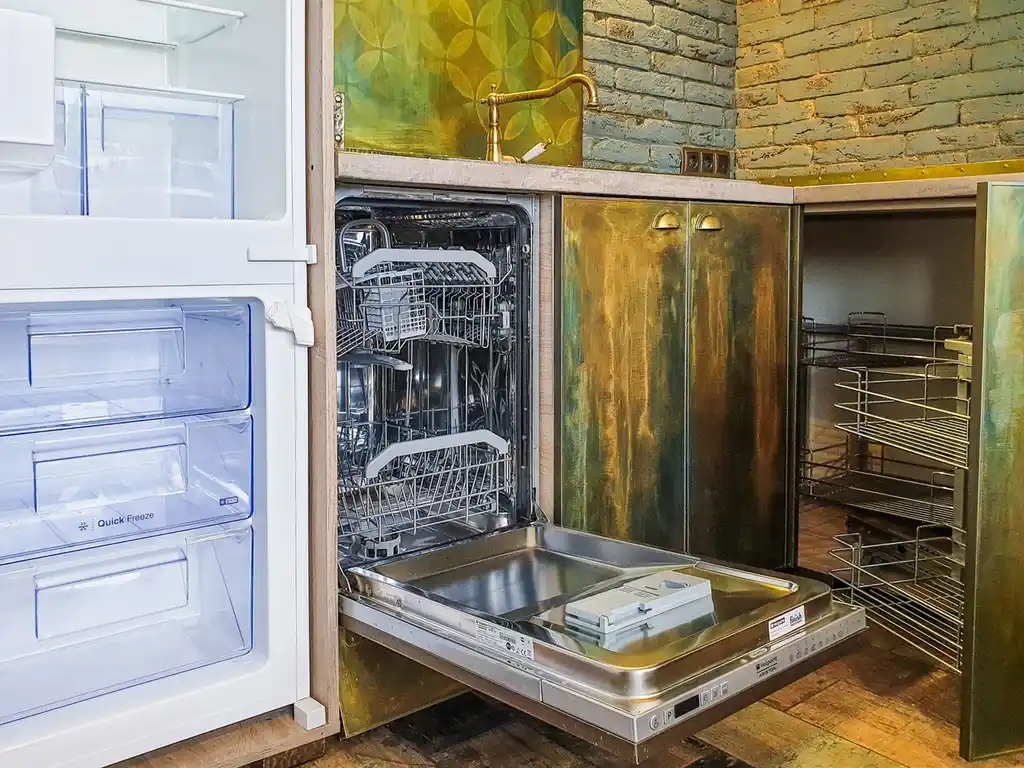
We test the thermistor and thermostat against manufacturer resistance specs, replace the drifted part, and recalibrate the control. A full-cycle verification confirms the display now matches actual compartment temperature within 2F. Food spoils days early, deli meat and leftovers become unsafe, and you blame the grocery store instead of the appliance. The compressor also runs longer, raising your power bill.
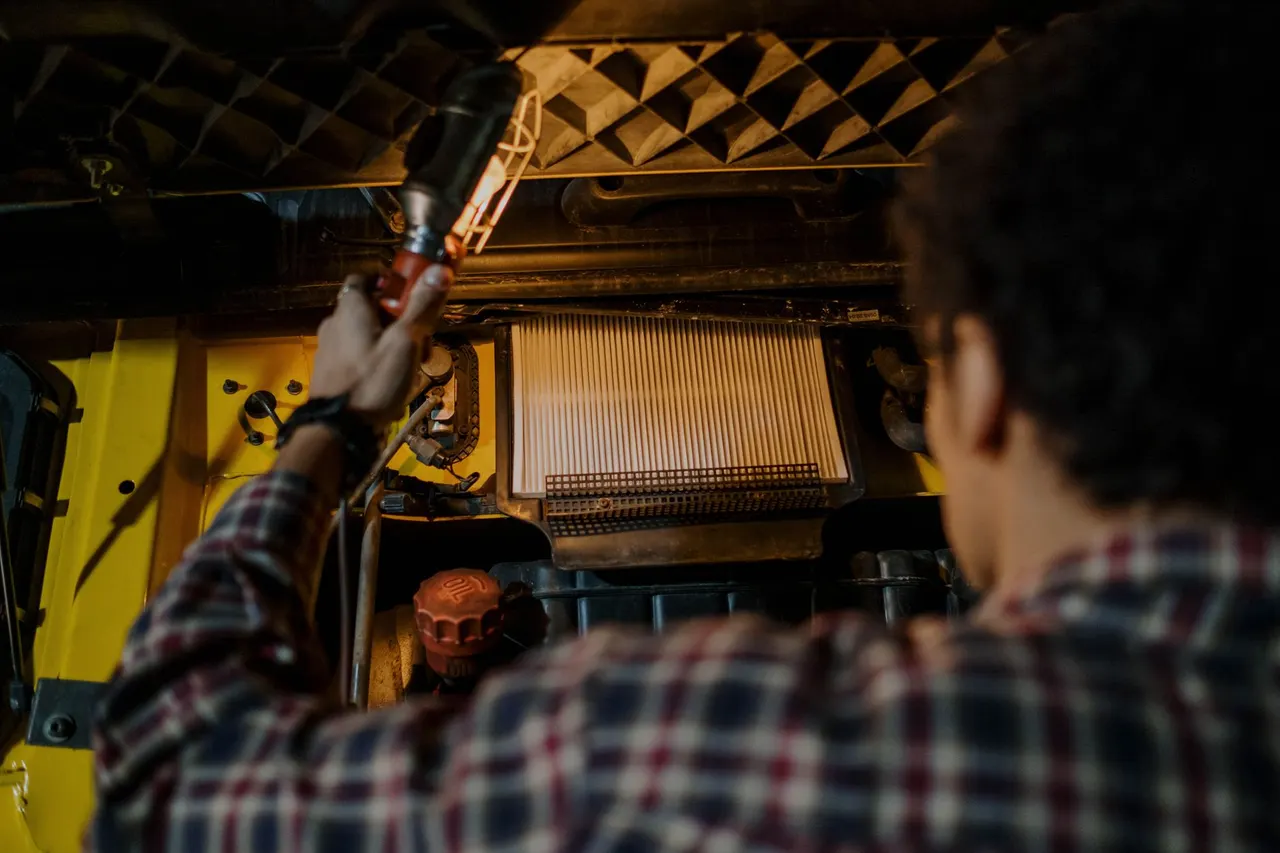
Swing usually means a failing thermostat or a control board losing its signal. We diagnose with a multimeter, replace the faulty component, and recalibrate. Most Decatur customers see the swing narrow to 2F or less after one visit. Wide swings freeze your produce one hour and spoil your dairy the next. The compressor short cycles, which wears it out years ahead of schedule and can lead to a full failure.
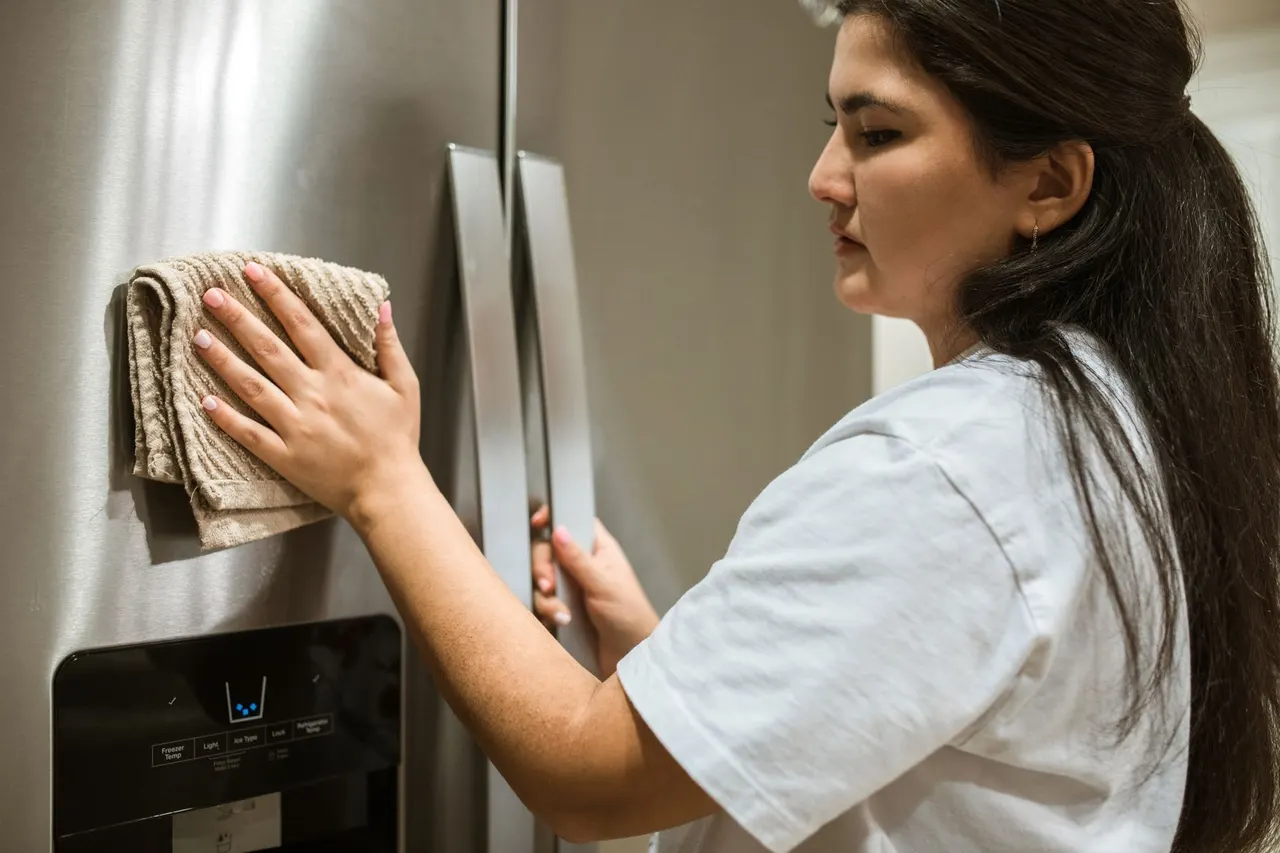
This points to a blocked evaporator fan, a stuck damper, or iced-up coils. We clear the airflow path, repair the fan motor or defrost system, then calibrate. Restoring airflow is what makes the fresh food side hold temperature. Cold air is not reaching the refrigerator compartment, so the control keeps running the compressor trying to compensate. That overheats the unit and wastes energy without fixing the temperature.
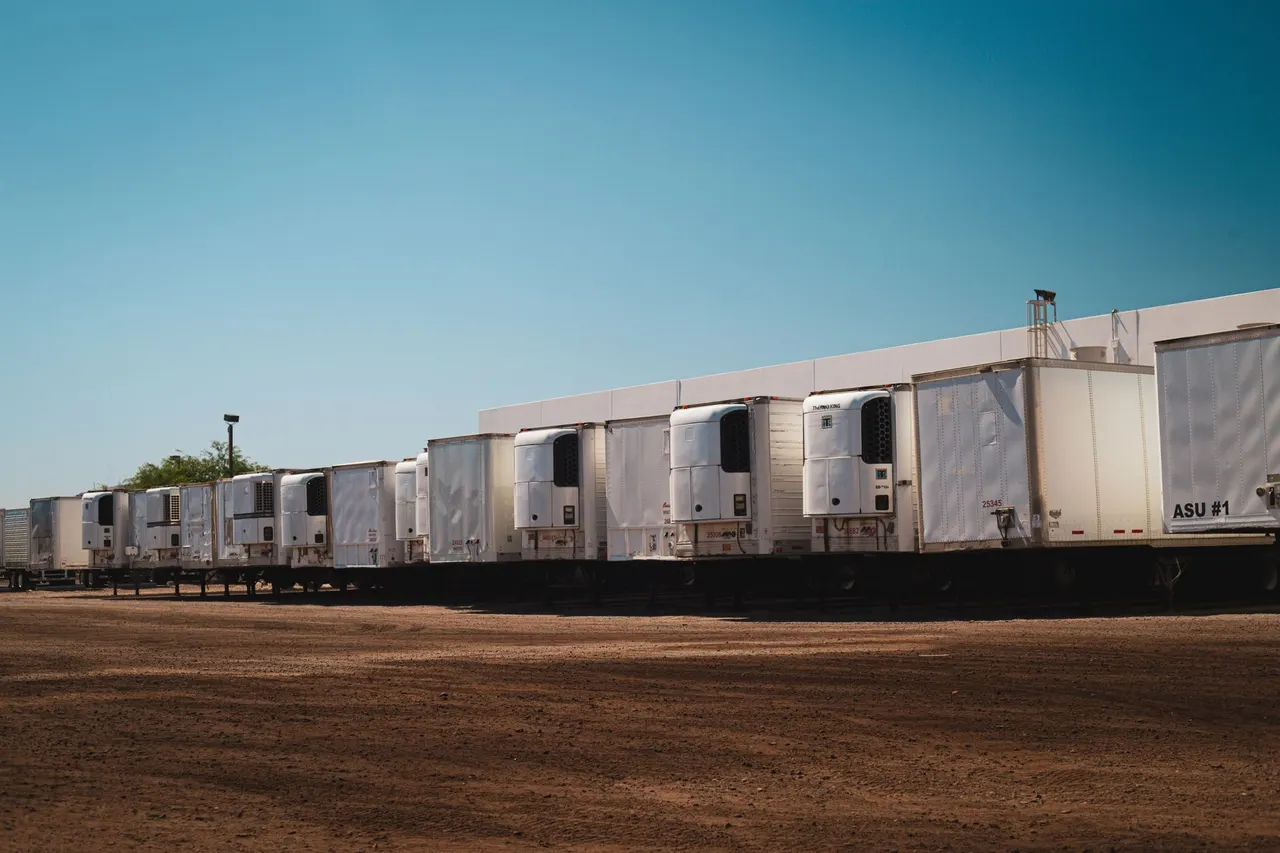
We check the thermostat, thermistor, door gasket, and refrigerant charge. A slow leak or a bad gasket makes the fridge fight a losing battle. Once we fix the root cause, we calibrate and verify normal cycling. Continuous run time means the control never gets a correct temperature signal. The compressor overheats, energy use climbs, and the unit may fail entirely within months.
The USDA danger zone starts at 40F. A fridge drifting to 44F lets bacteria multiply on deli meat and leftovers within hours. We bring your fresh food compartment back to 35F-38F and verify it holds through a full cycle, so a Sunday meal prep lasts the week.
A thermostat stuck 6F low keeps the compressor running almost continuously. That is roughly 15% to 25% more electricity every month. Once we correct the set point, your fridge cycles normally again and the motor stops working overtime.
Most refrigerator not cooling Decatur GA calls start as a small calibration drift nobody noticed. Catching it early costs far less than a compressor replacement. We flag worn door gaskets, dirty condenser coils, and failing fan motors before they take the whole system down.
Short cycling and constant run time wear out compressors and defrost heaters years early. Calibrating the control keeps the compressor within its designed duty cycle. On a Sub-Zero or KitchenAid built-in, that difference can add several years of service before a major repair.
Clear records you can keep and share.
Before and after temperatures with set points
Recommended dial positions for your model
What to check and how often
The number on your fridge display comes from one sensor, not the whole compartment. Shelves near the door run warmer than shelves at the back.
Most fridges read temperature from a single thermistor near the control. That reading can be 4F to 8F off from what your milk carton actually feels.
Door bins sit farthest from the cold air vent, so they run warmest. Storing milk and eggs there shortens their shelf life even when the fridge is calibrated.
A fridge temperature changes through each compressor cycle. One reading tells you almost nothing. We log the high and low across a full cycle before adjusting anything.
Outside these areas? Call and ask, we may still cover you +14702044981
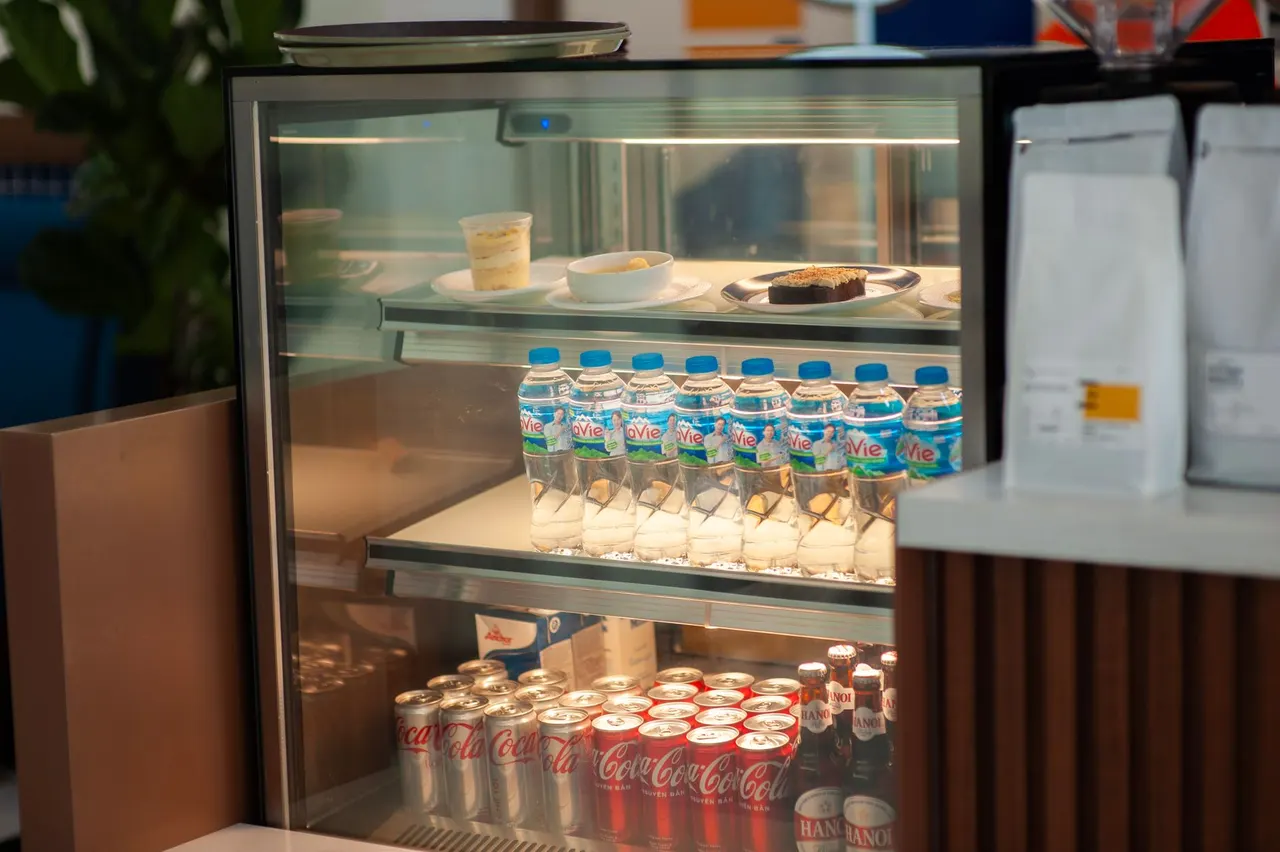
Most calibration visits in Decatur run $150 to $320 in 2026, including the full temperature audit and written log. If a thermostat or thermistor needs replacing, expect $220 to $450 total with parts. Emergency Refrigerator Temperature Control Calibration Decatur GA calls after hours add a trip charge. We quote the range before we start.
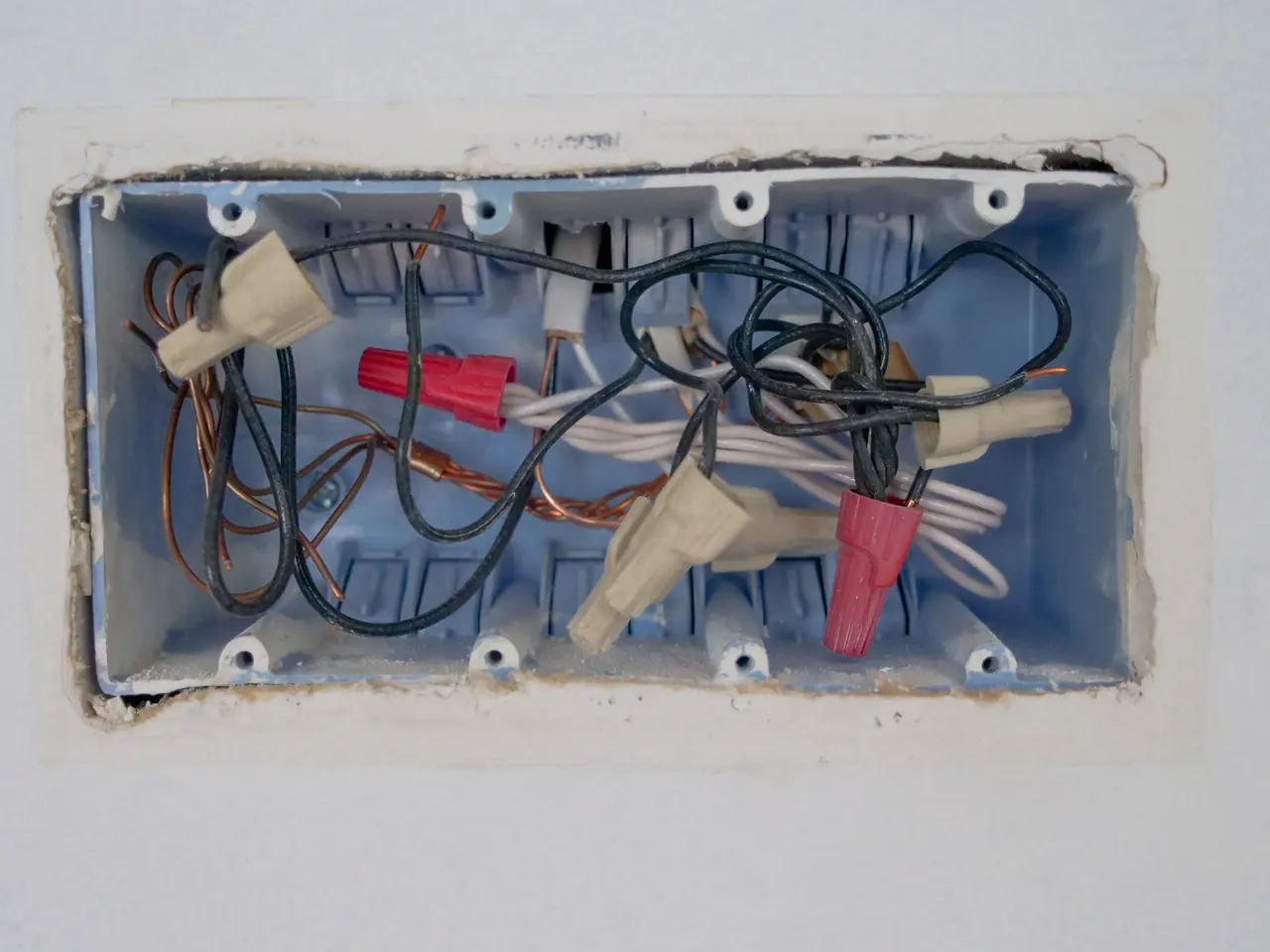
The thermostat or thermistor has usually drifted out of spec, which happens gradually and is invisible until food spoils. In Decatur, summer humidity and voltage dips around DeKalb County also stress control boards. A blocked evaporator fan or a leaking door gasket can fake the same symptoms. We test all three before adjusting anything.
Our technicians handle fridge temp calibration Decatur GA for all major brands, including Samsung, LG, Whirlpool, GE, Frigidaire, and Sub-Zero. We use calibrated thermocouples and follow manufacturer set-point specs. If your model needs a proprietary control board adjustment, we confirm parts availability before the visit so you are not waiting on a second trip.
Yes. A thermostat that reads 4F to 8F off spec will cycle the compressor at the wrong times, so your fridge swings between 34F and 46F all day. That range spoils food and wears out the compressor. Replacing the thermostat and recalibrating the control usually fixes the swing the same visit.
Stop losing food and guessing at set points. Call us and we will test your fridge with calibrated instruments, adjust the control, and leave you a written temperature log. Most Decatur visits finish in one trip.
Call +14702044981 and tell us the brand, model and what your fridge is doing. We book real windows, usually same-day, and text you when the tech is on the way. If you prefer email, send the details to [email protected] and we will reply with a time.