Flat quote
Price confirmed before we start work
Refrigerator Water Line Installation Decatur GA covers everything from a new fridge that needs water to an old saddle valve that finally gave out. We run copper or braided tubing from the nearest cold supply, add a proper shutoff, and pressure-test every joint before we slide the fridge back. Most jobs finish in one visit, and we clean up the cabinet floor when we're done.
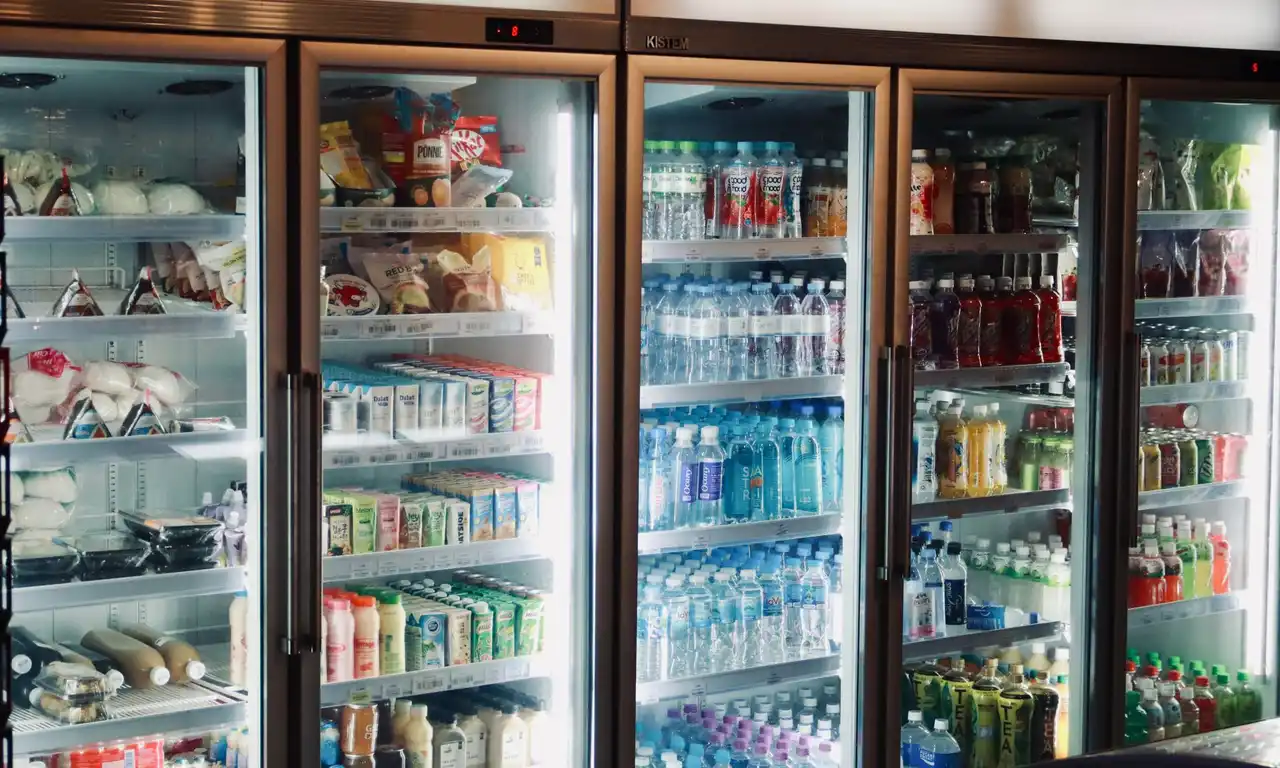
Every install covers the full job from supply connection to fridge inlet. Here's what's in the standard price and what's a reasonable add-on if your setup needs it.
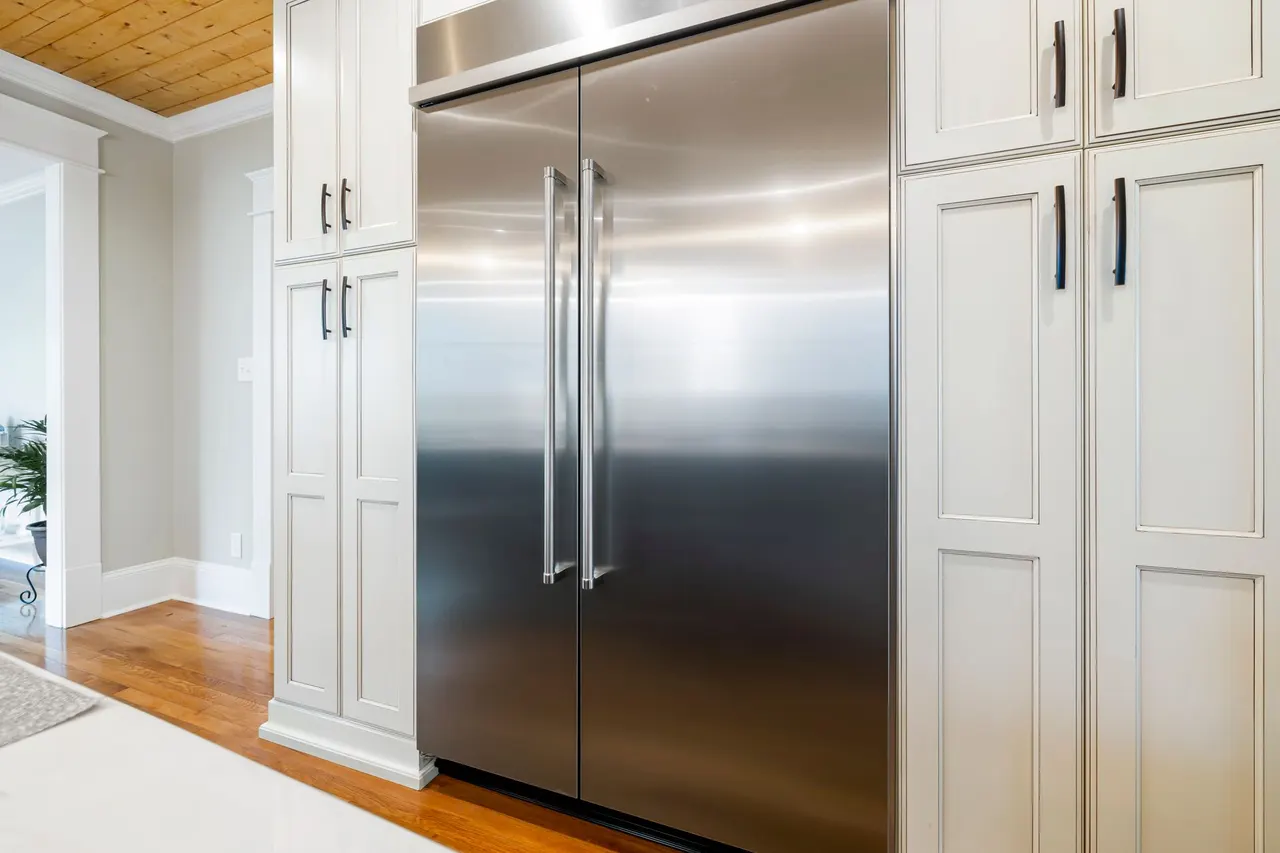
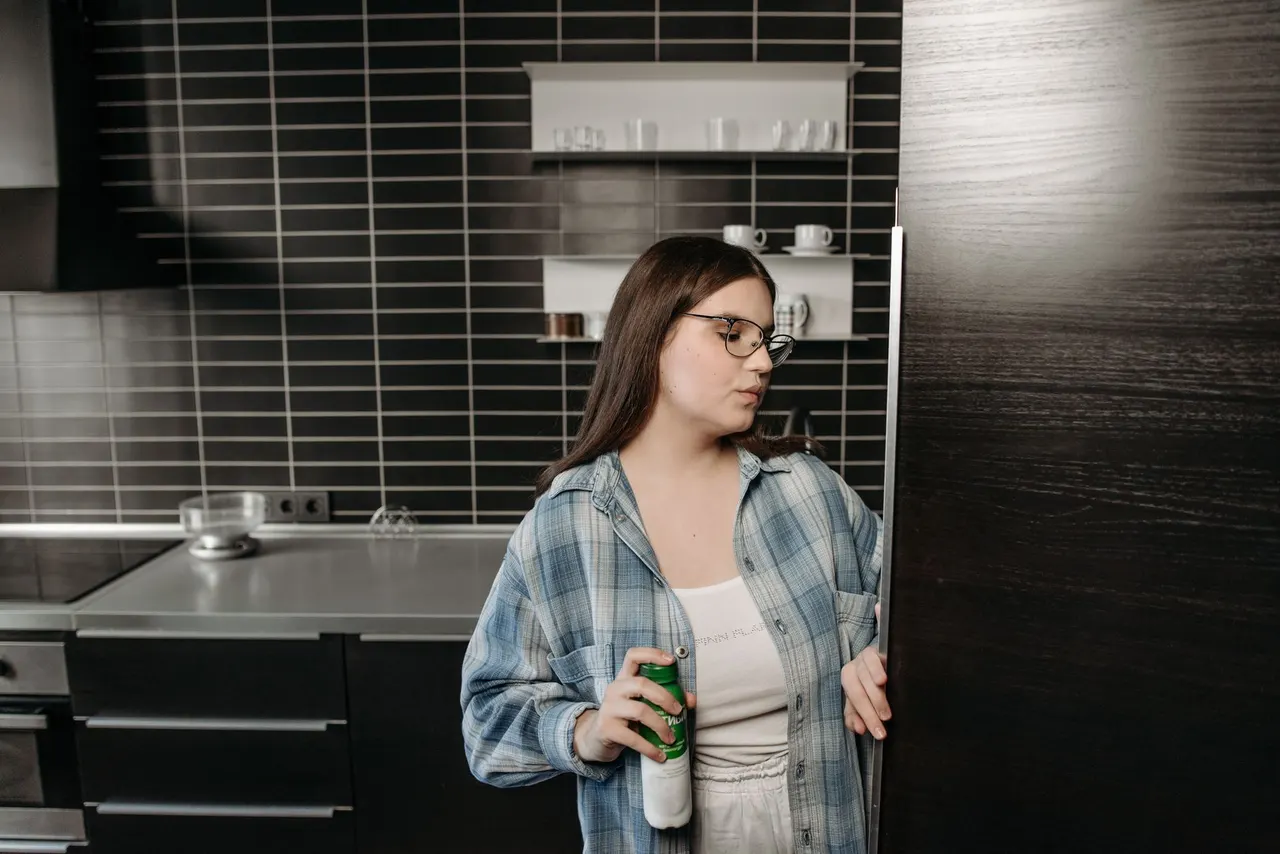
We install refrigerator water lines in houses, condos and rentals across Decatur. Whether your kitchen has copper, PEX or old galvanized pipe, we match the right tubing and fittings to what's already in the wall.
We run water lines for breakroom fridges, office kitchens and small commercial coolers. Property managers and business owners get scheduled windows, tenant coordination and photo documentation of the finished work.
Refrigerator Water Line Installation Decatur GA is the plumbing work that connects your fridge to a cold water supply so the ice maker and water dispenser actually work. We tap the nearest cold line, install a quarter-turn shutoff valve, run 1/4-inch copper or braided stainless tubing to the fridge inlet, and seat the compression fittings with a tube cutter and flaring tool so nothing weeps. Then we pressurize the line, watch it for leaks, and flush two to three quarts through the dispenser before we call it done.
Decatur homes have their own quirks. A 1940s bungalow in Oakhurst often still has galvanized pipe and a saddle valve punched into it decades ago, while a newer build near Decatur Heights may already have a dedicated 1/4-inch stub-out behind the fridge. If you're searching for Refrigerator Water Line Installation near me Decatur GA, the honest answer is that the right method depends on what's behind your cabinet. We figure that out before we cut anything.
We run the line, install a real shutoff, and pressure-test it before the fridge goes back.
Five steps, one visit, no surprises. Here's exactly what happens from the moment you call to the moment the ice maker drops its first cubes.

We ask three questions: fridge brand, whether there's an existing valve behind the unit, and whether the kitchen has copper, PEX or galvanized supply. That tells us what parts to load. If you have a Sub-Zero or built-in Bosch, we bring the longer braided kit and a second tech because those units don't slide out easily.
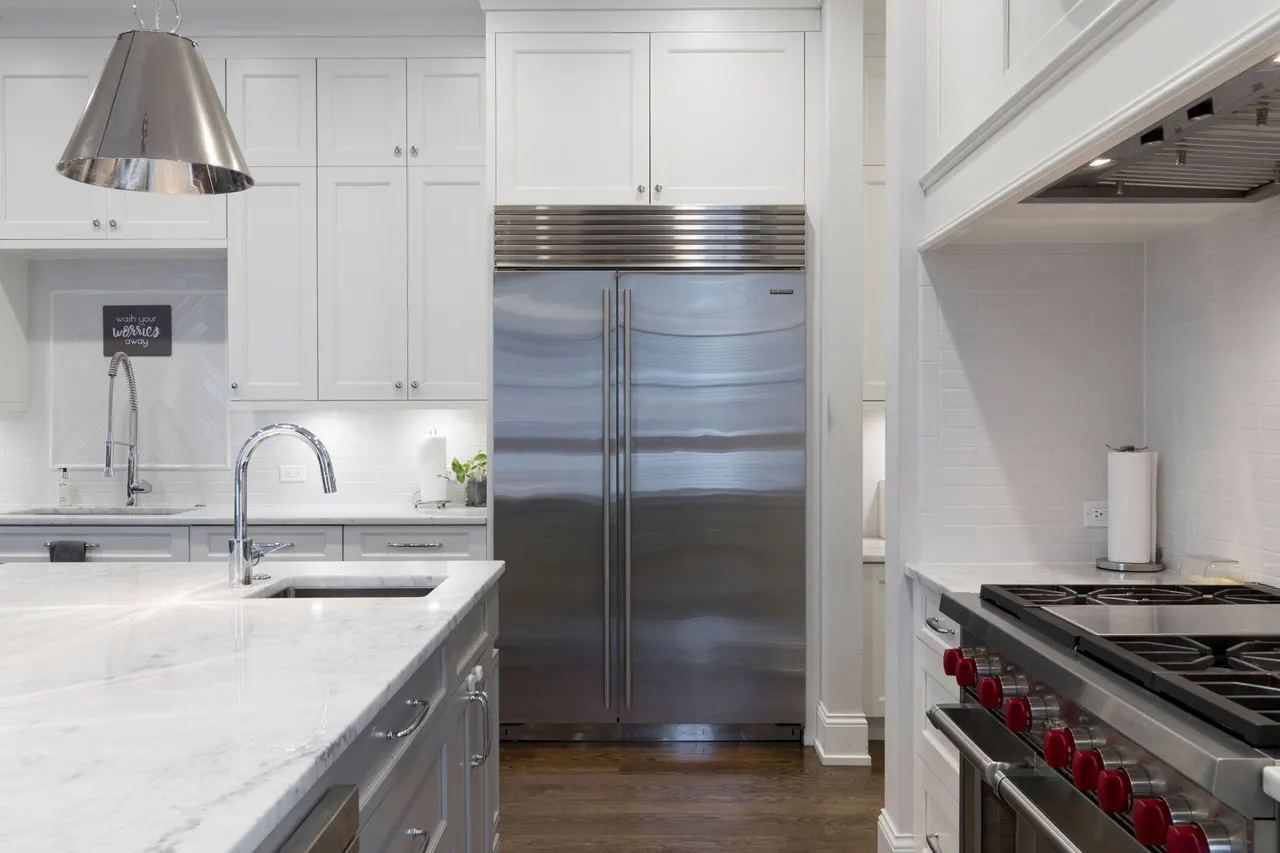
We pull the fridge, inspect the cabinet floor for old water damage, and check the nearest cold line with a multimeter to confirm it's not bonded to a live circuit. If there's a saddle valve, we note it and quote the replacement before we touch anything. Ten minutes, tops.
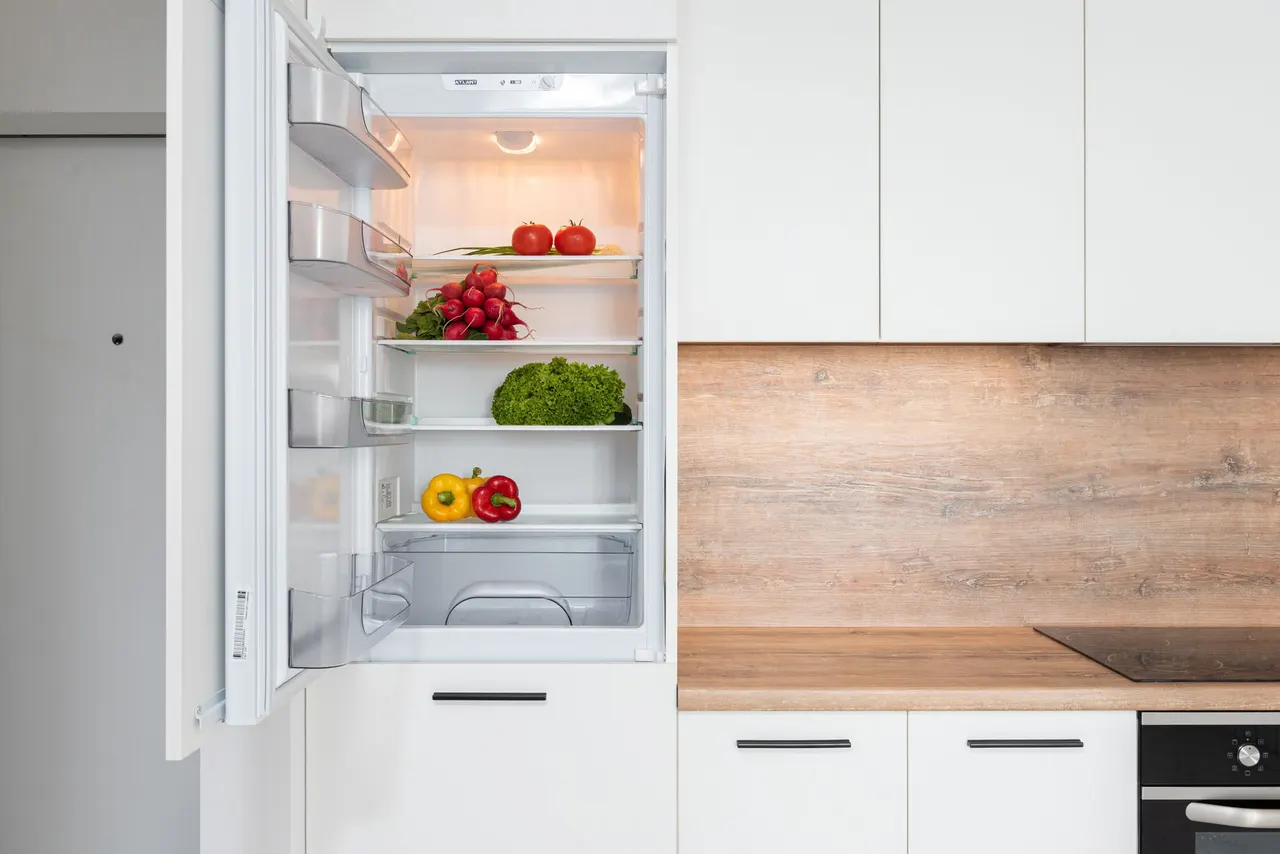
We cut the cold line with a tube cutter, install a quarter-turn shutoff, and run 1/4-inch copper or braided stainless to the fridge inlet. Fittings get seated with a flaring tool and torqued to spec. On older Decatur homes with tight cabinets, we sometimes fish the line through the wall to avoid a kink.

We pressurize the line to 100 PSI for 15 minutes and watch every joint with a leak detector. Then we connect to the fridge, open the valve, and flush two to three quarts through the dispenser. If your fridge has a water filter, we install it now and log the date on the housing.

We dry the cabinet floor, slide the fridge back, and level it so the doors close on their own. You get a two-minute walkthrough of the shutoff location and what to check if the dispenser slows down. Total time on site: usually 90 minutes to two hours.
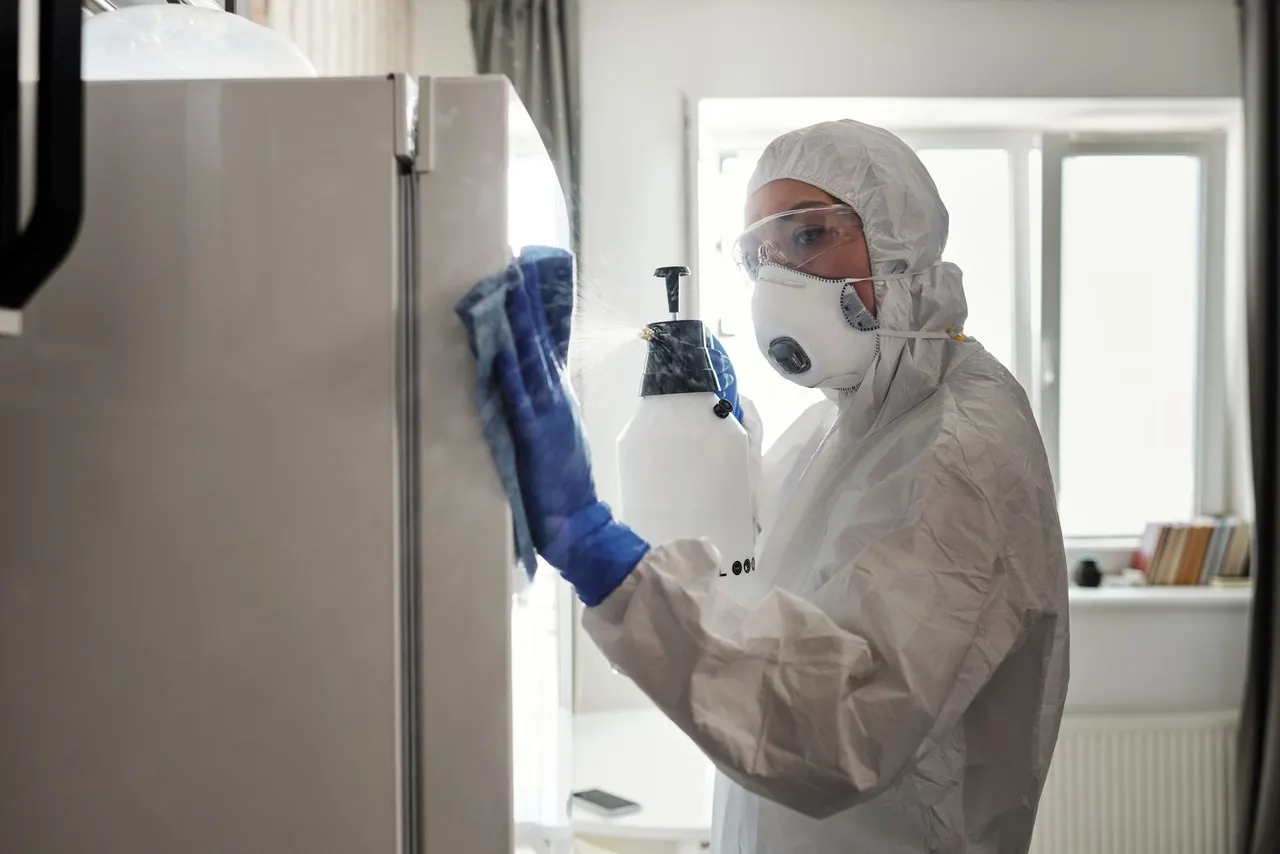
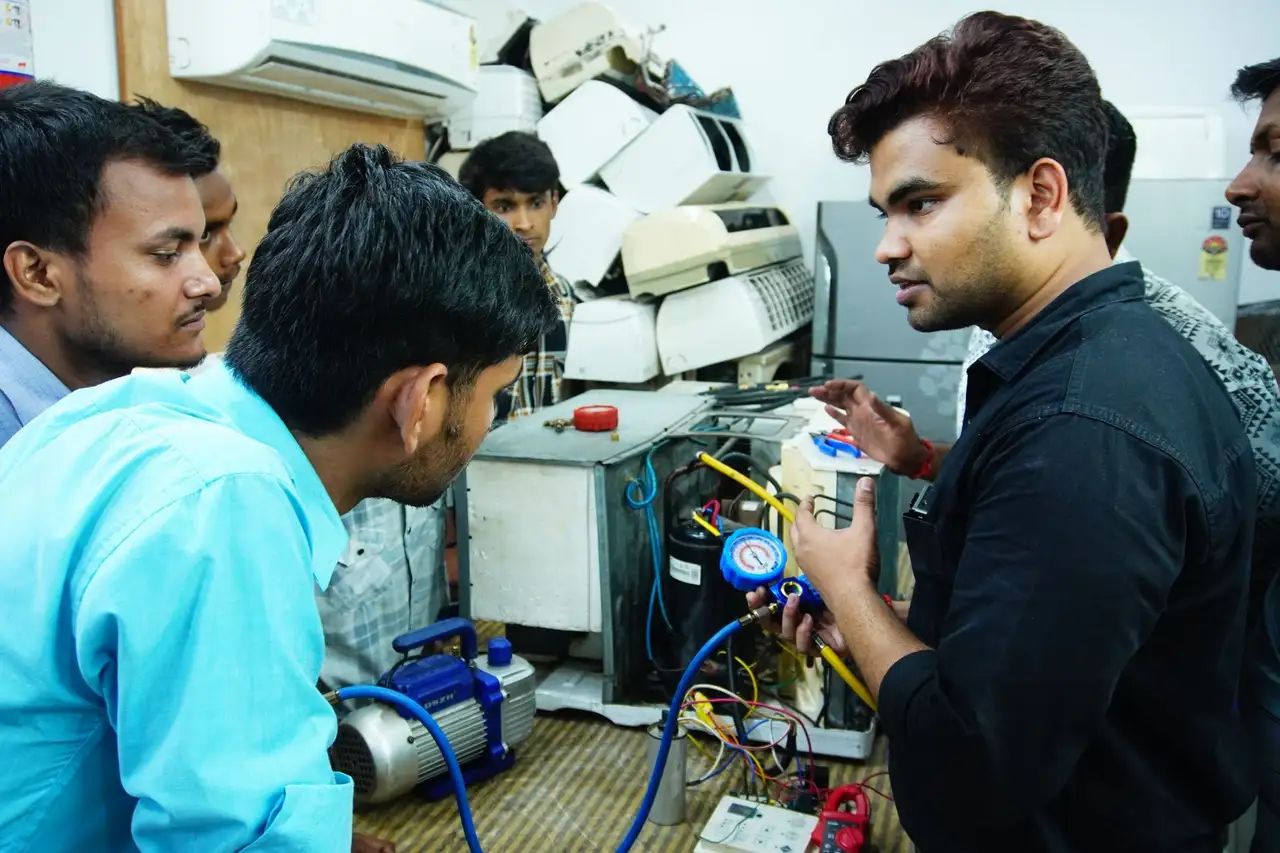
Cuts copper and plastic supply lines square so compression fittings seat properly. A square cut is the difference between a leak-free joint and a slow drip that shows up three weeks later.
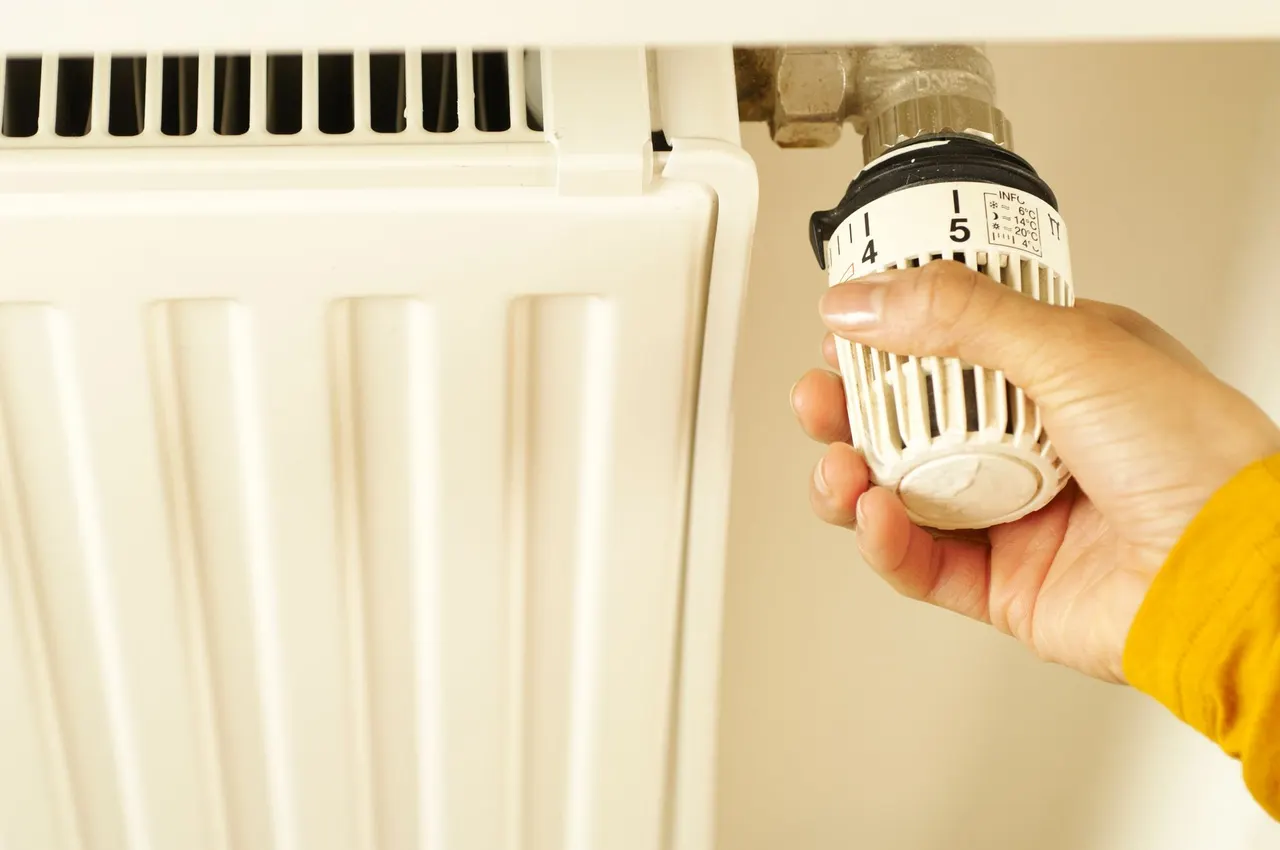
Forms the flare on copper tubing so the fitting compresses evenly. We use it on every copper connection instead of relying on a ferrule alone, which is how most DIY installs fail.
Sniffs for refrigerant leaks and confirms water line joints are dry. We use it during the pressure test to check every fitting, not just the ones we can see.
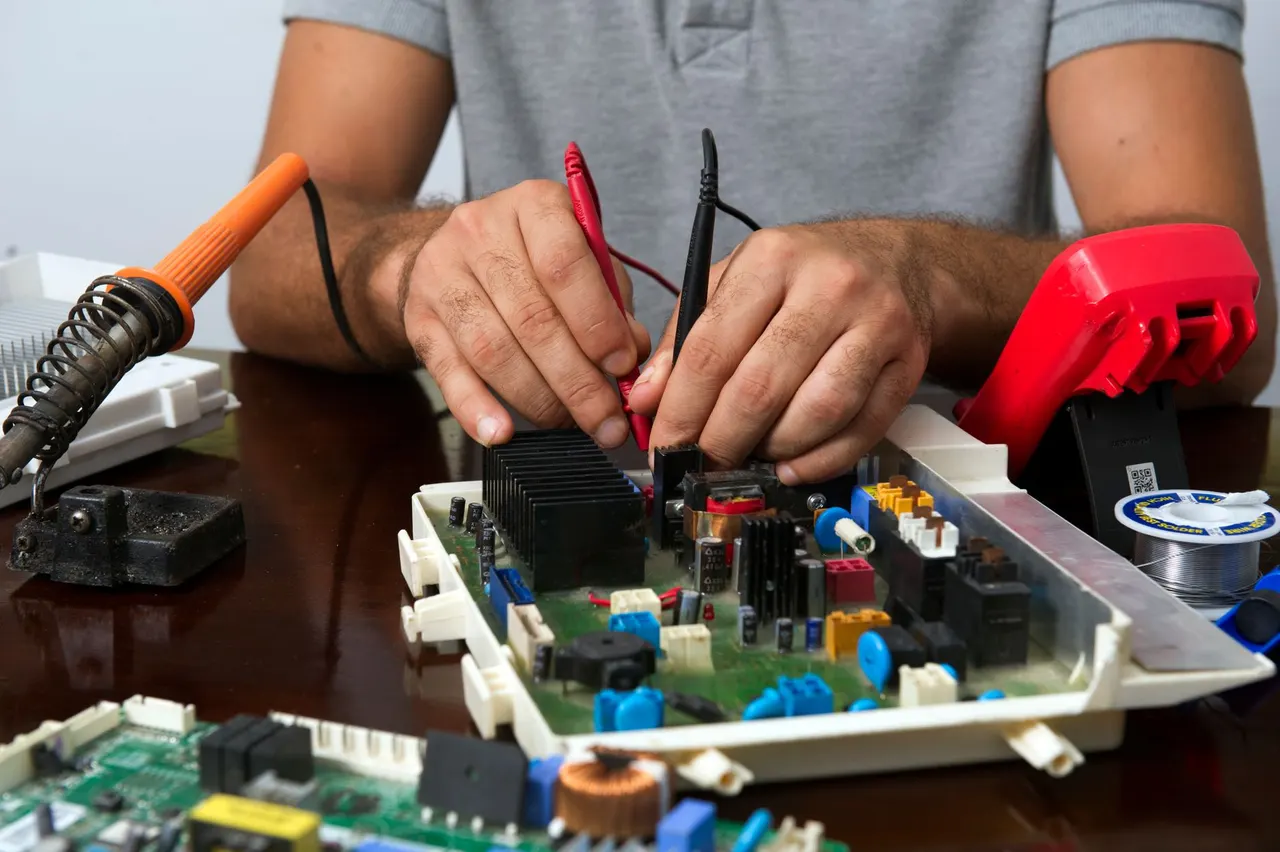
Tests voltage and continuity on the fridge's electrical system. We check that the cold water line isn't bonded to a live circuit before we cut into it, which is a real risk in older Decatur homes.
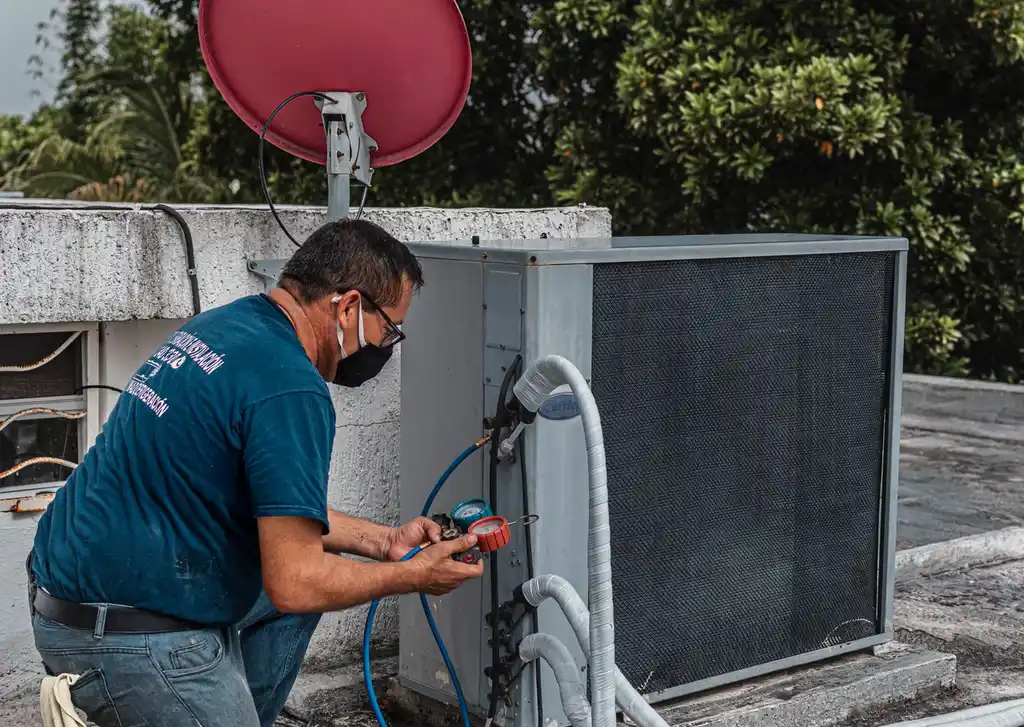
Reads refrigerant pressures when we're diagnosing a compressor or refrigerant leak that started as a water line drip. Used with our EPA Section 608 procedures.

Pulls a vacuum on the refrigerant system before recharging. If a water line leak damaged the sealed system, this is how we get it dry before adding R-134a or R-600a.

Recovers refrigerant safely before we open a sealed system. Required under EPA Section 608 rules and standard on every one of our trucks.
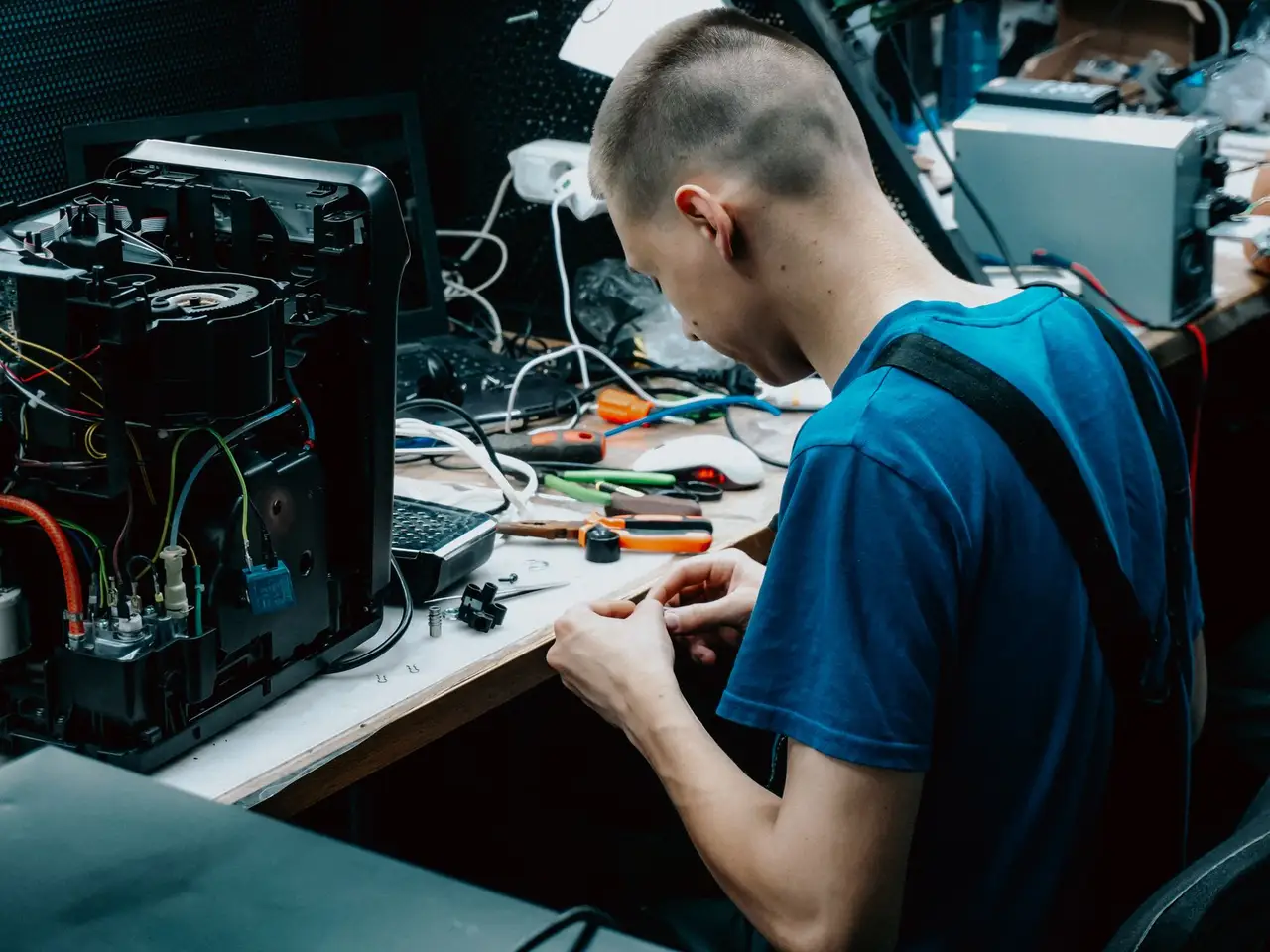
Every install gets a quarter-turn ball valve instead of a saddle valve or gate valve. Ball valves seal on a clean cut, don't weep, and let you kill the water at the cabinet in a second. It's the single biggest upgrade you can make to a fridge water line.
We run the line from the nearest cold supply, install a shutoff, connect to your new fridge inlet, install the filter, and flush the system. We also level the fridge and align the doors so it's fully set up. You're making ice and pouring cold filtered water the same day. No second appointment, no waiting on a plumber.
We pull the fridge, inspect the cabinet floor for damage, remove the saddle valve, cap the old puncture, and install a quarter-turn shutoff. New braided line runs to the fridge inlet, and we pressure-test everything. Dry cabinet floor, a shutoff you can actually reach, and no more paper towels under the fridge. Most jobs finish in under two hours.
We coordinate with your contractor, run the line to the new location, install the shutoff inside the cabinet, and stub out where the fridge will sit. We can do this before or after drywall, depending on your schedule. The line is in the right place before the cabinets close up the wall. No cutting into finished millwork later.
We schedule a same-day or next-morning visit, coordinate access with the tenant, replace the failed valve or line, and pressure-test the repair. We send photos of the finished work so you can document it. Tenant has water again, you have documentation, and the repair is done without you driving over. We handle the tenant communication.
Decatur's housing stock splits into three eras, and each one needs a different approach. Pre-1950 bungalows in Oakhurst and Winnona Park often still have galvanized supply lines with a saddle valve punched in decades ago. Those valves fail, and when they do, the fix is to cut out the punctured section and install a proper shutoff. Mid-century homes in Decatur Heights and Midway Woods usually have copper, which is straightforward. Newer construction near Downtown Decatur and along the Scottdale corridor often has PEX with a dedicated 1/4-inch stub-out behind the fridge, which is the easiest case of all. Georgia's freeze-thaw cycles in January and February are the other local factor. An exterior-wall water line that isn't insulated can freeze and split, which is why we insulate any run that touches an exterior wall. If you're searching for how to install refrigerator water line in older Decatur home, the short answer is: inspect the supply first, then choose copper or braided based on what's there. We do that inspection before we quote.
A 1948 bungalow had the original saddle valve dripping onto the cabinet floor for months. The floor was soft, the ice maker hadn't worked in a year, and the homeowner was using a towel under the fridge.
We removed the saddle valve, capped the old puncture, installed a quarter-turn shutoff, and ran new braided line to the fridge. Pressure test held at 100 PSI for 15 minutes. Ice maker was producing cubes within four hours.
Check the shutoff and the line connections once a year. Replace the water filter every six months. If you see any moisture under the fridge, call us before it becomes a floor repair.
A new Samsung fridge was delivered at 10am and left in the middle of the kitchen. The delivery crew wouldn't touch the water line, and the homeowner had no ice or dispenser water. The old fridge was already hauled away.
We arrived at 2pm, ran copper from the existing stub-out, installed the filter, and flushed three quarts through the dispenser. The fridge was leveled and the doors aligned. By 4pm the family was making ice.
Replace the filter every six months and flush a quart through the dispenser after each change. Keep the shutoff accessible so you can kill the water if you ever need to.
A Downtown Decatur condo remodel moved the fridge to the opposite wall. The old water line was in the wrong place, and the cabinets were about to close up the wall. The contractor needed the line stubbed out before drywall.
We ran a new line to the relocated fridge position, installed the shutoff inside the cabinet, and stubbed out where the fridge would sit. The contractor closed up the wall the next day. Final connection and flush took 30 minutes after the cabinets went in.
Label the shutoff inside the cabinet so future owners can find it. Check the stub-out connection after the fridge is installed and again 30 days later. No further maintenance needed.
Most water line calls we run in Decatur are preventable. Here are the four we see most often, and how we fix them.
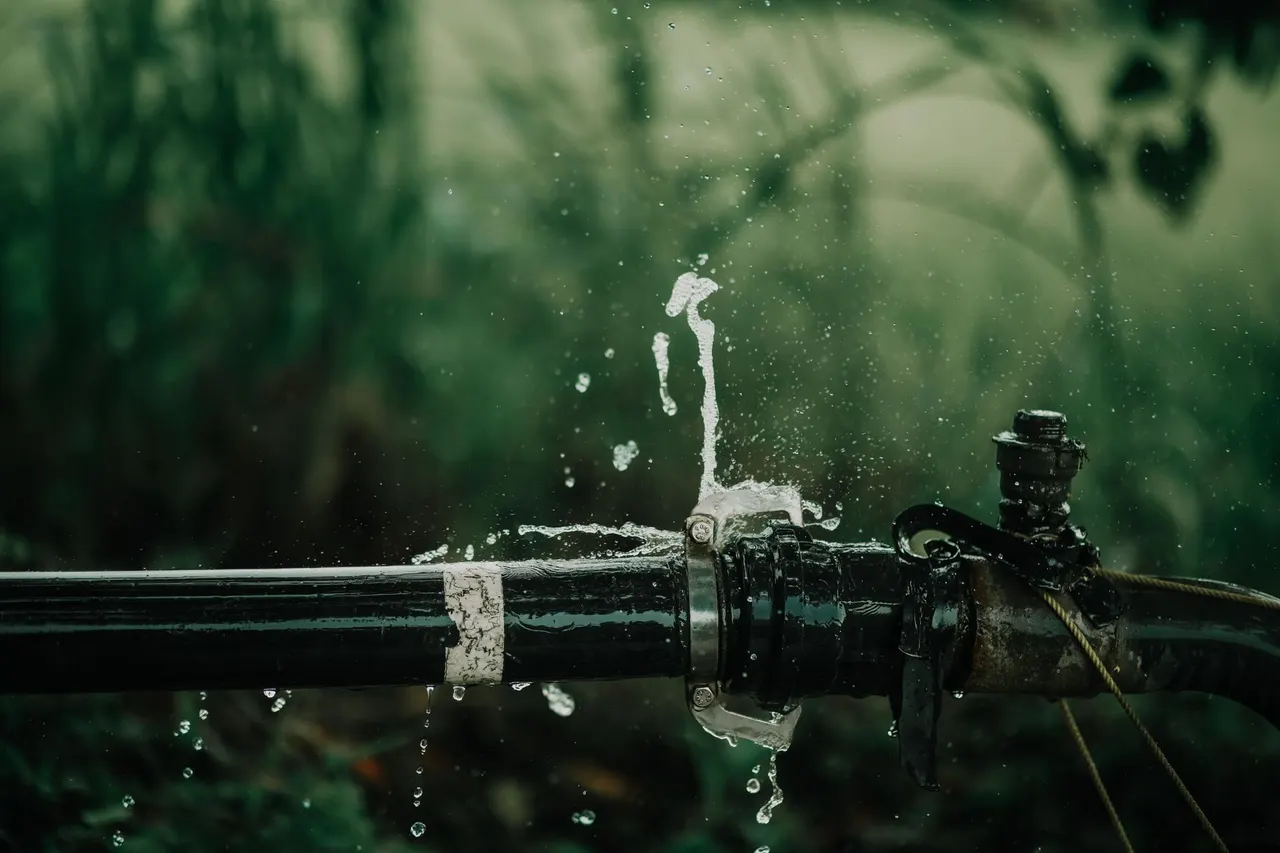
We remove the saddle valve, cap the old puncture, and install a quarter-turn shutoff rated for 125 PSI. The new valve seals on a clean cut, not a pierced hole, so it doesn't weep. Pressure test confirms it before we leave. Slow drips rot the cabinet floor, warp the subfloor, and eventually drip onto the compressor or control board. A $200 repair becomes a $900 compressor job.
We run the line, connect to your new fridge inlet, install the filter, and flush the system. Same-day slots are common, so you're making ice the evening your fridge arrives. We handle Samsung, LG, Whirlpool, GE and Frigidaire inlets. Delivery crews don't hook up water. Your new fridge sits there with no ice and no dispenser water until someone runs the line. That can be days if you're waiting on a plumber.
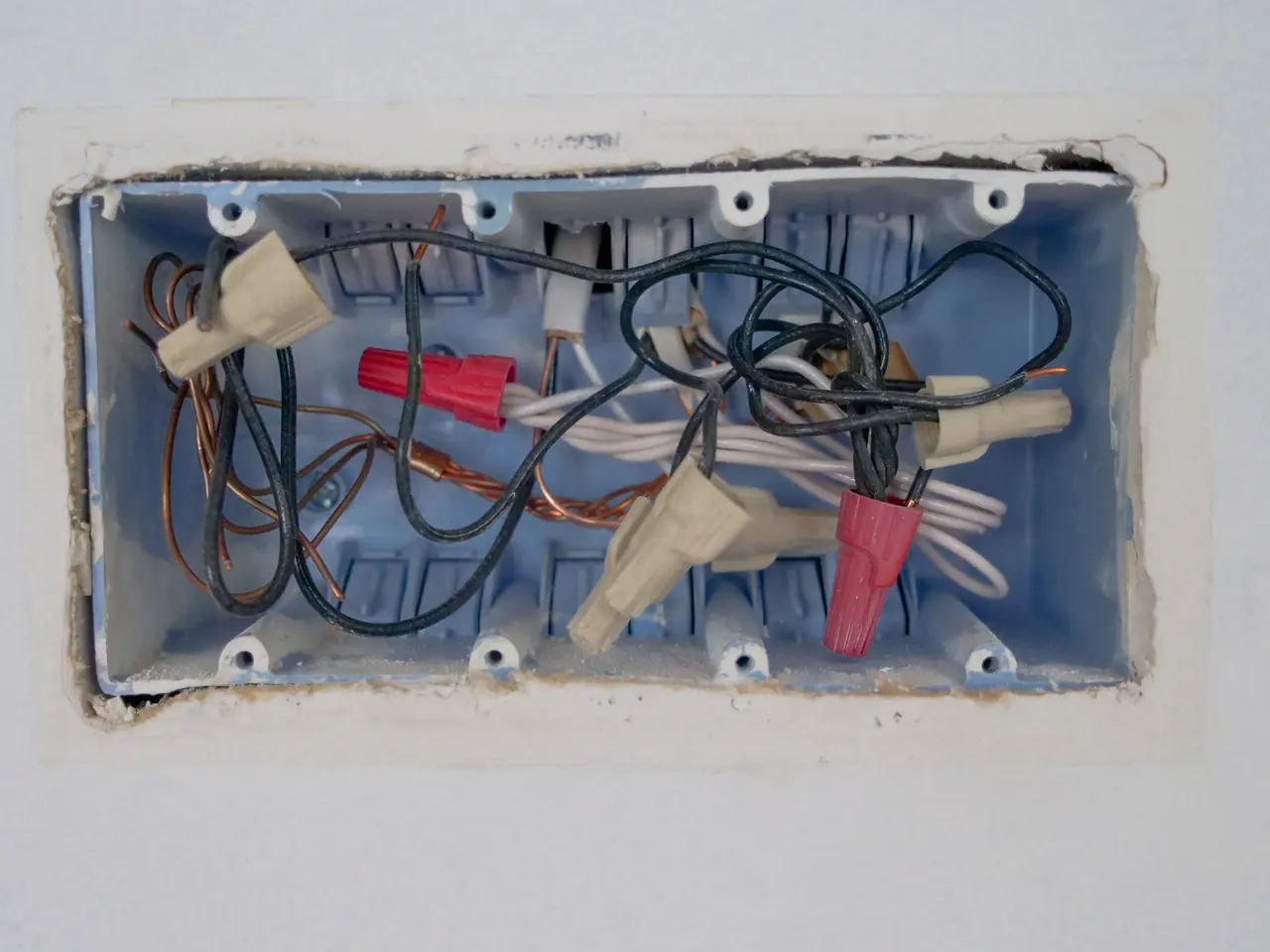
We measure the run, leave a proper service loop, and secure the tubing to the cabinet wall so it doesn't pinch. The shutoff stays reachable without pulling the fridge out. Fifteen-minute pressure test catches any issue before we leave. A line that's too long kinks behind the fridge; too short and it pulls tight when you slide the unit back. Either way, you get a puddle and eventually a damaged floor.
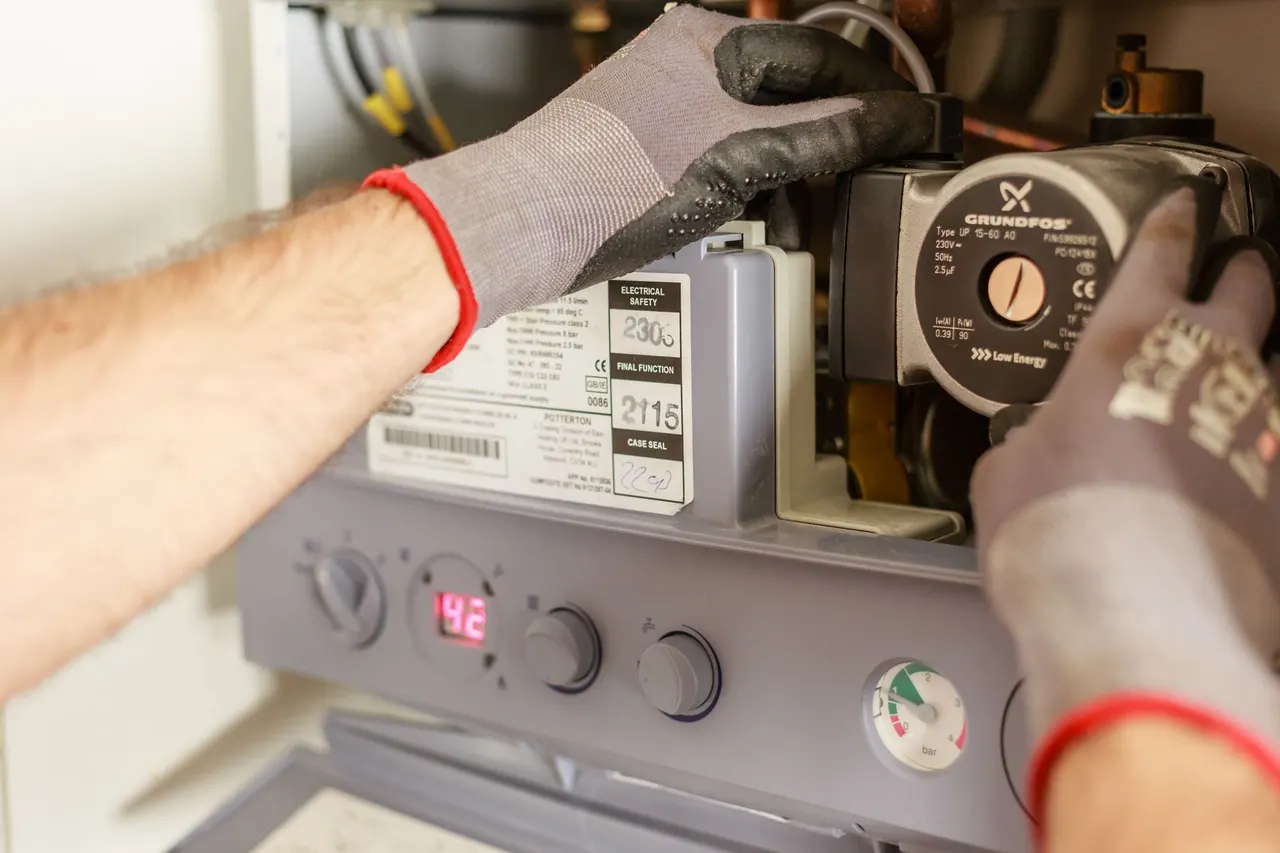
We install a new water filter, flush two to three quarts through the system, and check pressure at the inlet. If the dispenser still runs slow, we test the fill valve and the line for blockages. Usually a 20-minute fix. A clogged filter or a line full of air makes the dispenser sputter and taste off. Most people assume the fridge is broken when it's just the filter or a bad flush.
Once the line is pressurized and flushed, your dispenser and ice maker start working the same visit. We run two to three quarts through the system to clear air and carbon dust from a new water filter, so the first glass tastes clean instead of gritty. Most installs take 60 to 120 minutes from arrival to cleanup.
Those piercing saddle valves that came with older Decatur homes are the number one cause of water leaking on floor calls we run. We replace them with a proper quarter-turn shutoff rated for 125 PSI, so you can kill the water at the cabinet instead of the main. That one change prevents most slow drips that rot cabinet floors.
Copper handles tight bends and stays put; braided stainless flexes around corners and survives vibration. We stock both, plus the ferrules and inserts that match your fridge inlet. Samsung, LG, Whirlpool, GE and Frigidaire all use slightly different fittings, and using the wrong one is how you end up with a pinhole leak six months later.
A line that's too long kinks; too short and you can't pull the fridge out for cleaning. We measure the run, leave a service loop, and secure the tubing to the cabinet wall so it doesn't pinch when the fridge rolls back. You get a shutoff you can reach without emptying the freezer.
Clear records you can keep and share.
Price confirmed before we start work
15-minute test at 100 PSI, shown to you
Walkthrough of where to kill the water
Both materials work, but they suit different setups. Copper handles tight bends and stays put. Braided stainless flexes around corners and absorbs vibration from the fridge.
Copper holds its shape, so it works well when the line has to bend around a cabinet corner. It needs a flaring tool and a clean square cut to seal properly. We use it when the run is short and the path is fixed.
Braided stainless flexes without kinking, which makes it easier to route behind a fridge that slides in and out. It also absorbs the small vibrations the compressor makes. We use it when the run has curves or the fridge moves.
If your home has copper supply lines, copper is usually the cleaner match. If it has PEX, a braided kit with the right adapter works fine. We check what's in the wall before we choose, because the wrong pairing is how leaks start.
Outside these areas? Call and ask, we may still cover you +14702044981
Most Decatur installs run $185 to $395 in 2026, including parts and labor. A straight run to an existing valve sits at the low end. Add $75 to $150 if we're replacing a saddle valve, fishing the line through a wall, or running more than 8 feet of tubing. Built-in fridges like Sub-Zero or Bosch take longer and price higher. You get the exact number before we start.
We do, along with a handful of local plumbers and appliance techs. The difference is that we handle both sides: the supply connection and the fridge inlet. If your dispenser doesn't work after the line is run, we diagnose the valve, the filter housing or the control board on the same visit instead of sending you to a second contractor.
For a simple connection to an existing shutoff, no. For anything involving cutting into a supply line, replacing a saddle valve, or working with galvanized pipe in an older Decatur home, yes. Georgia plumbing code requires a licensed contractor for modifications to the potable supply. We handle both scopes, so you don't have to coordinate two trades.
Yes, and it's one of our most common calls. We run the line, install the shutoff, connect to your new fridge inlet, flush the system and install the water filter. If the fridge is still in the box, we can also handle leveling and alignment so the doors close properly. Book the install for the same day your fridge is delivered and you're done in one afternoon.
Call now and we'll get a tech to your kitchen, usually the same day. You get a flat quote before we start, a proper shutoff valve, and a line that's pressure-tested before we leave. If your new fridge is sitting in the middle of the floor waiting on water, we can fix that this afternoon.
Call +14702044981 and tell us the brand, model and what your fridge is doing. We book real windows, usually same-day, and text you when the tech is on the way. If you prefer email, send the details to [email protected] and we will reply with a time.